A chipped crown, a missing tooth, or a restoration that no longer feels comfortable can make a routine dental visit feel surprisingly uncertain. Patients searching for a dentist near me, dental implants near me, or a restorative specialist in Manhattan often want two things at once: a precise clinical solution and a treatment journey that doesn't involve unnecessary delays.
At a prosthodontist-led practice on the Upper East Side, an in-house dental lab can connect diagnosis, design, fabrication, and fitting more closely. The result isn't that every restoration becomes a same-day procedure. Case complexity, material selection, gum health, bite stability, and implant healing still determine the right pace. The advantage is greater coordination, clearer communication, and more opportunities to refine the restoration before it reaches the patient's mouth.
Table of Contents
- The Challenge of Traditional Dental Labs
- How Digital Workflows Transform Restoration
- Precision and Quality Control Advantages
- Faster Turnaround and Same-Day Solutions
- Custom Restorations for Complex Cases
- Why Prosth & Co. on the Upper East Side
The Challenge of Traditional Dental Labs
A patient with a fractured molar may arrive expecting a straightforward crown. The dentist prepares the tooth, takes an impression or scan, places a temporary restoration, and sends the case to an external laboratory. If the lab needs clarification about the margin, shade, bite, or material, the dental team must communicate back and forth before fabrication can continue.
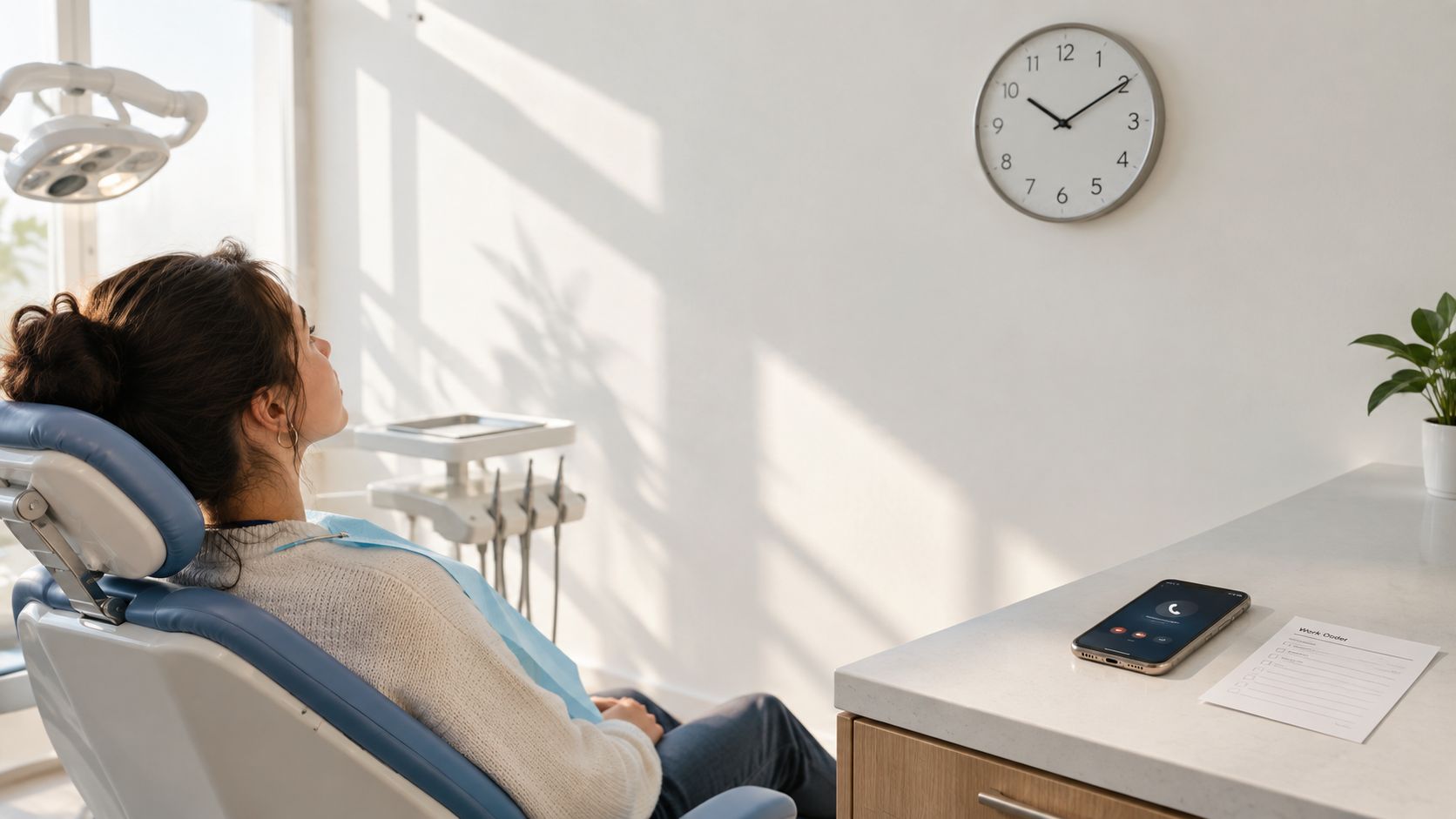
That handoff can make a difficult situation feel longer than it needs to. An external laboratory commonly adds a 7 to 14-day wait for off-site fabrication, according to patient guidance on in-house dental laboratories. During that period, the patient may need to protect a temporary tooth while managing chewing, sensitivity, appearance, or concern about whether the final restoration will fit comfortably.
Where communication becomes difficult
Traditional laboratory care isn't necessarily poor care. Skilled external technicians produce excellent restorations, and some complex cases should be referred to a laboratory with specialized equipment or expertise. The challenge is that the dentist, technician, and patient aren't always able to review the case together while decisions are being made.
A shade that looks appropriate on a prescription form may need refinement in the operatory. A bridge may require a small change to its contacts. An implant restoration may need coordinated attention to emergence profile, tissue support, screw access, and occlusion. When the technician isn't nearby, each adjustment can require another message, shipment, appointment, or remake.
Practical rule: The more a restoration depends on close coordination between the clinician and technician, the more valuable direct communication becomes.
An integrated practice can review scans, photographs, preparation margins, and bite records in one clinical environment. Patients who want to understand how dental offices manage safety, continuity, and operational changes can also consult dentist office reopening guidance as broader background on dental office operations.
The United States experience also shows why an in-house dental lab remains a strategic choice rather than a routine feature. One industry source citing National Association of Dental Laboratories data reported that about 3% of dental practices had a full-service in-house lab, while roughly 97% outsourced work to external laboratories, as described in this overview of bringing a dental lab in-house. For Manhattan patients, that distinction matters. An in-house laboratory is not just a faster shipping department. It represents a different model of clinical coordination.
How Digital Workflows Transform Restoration
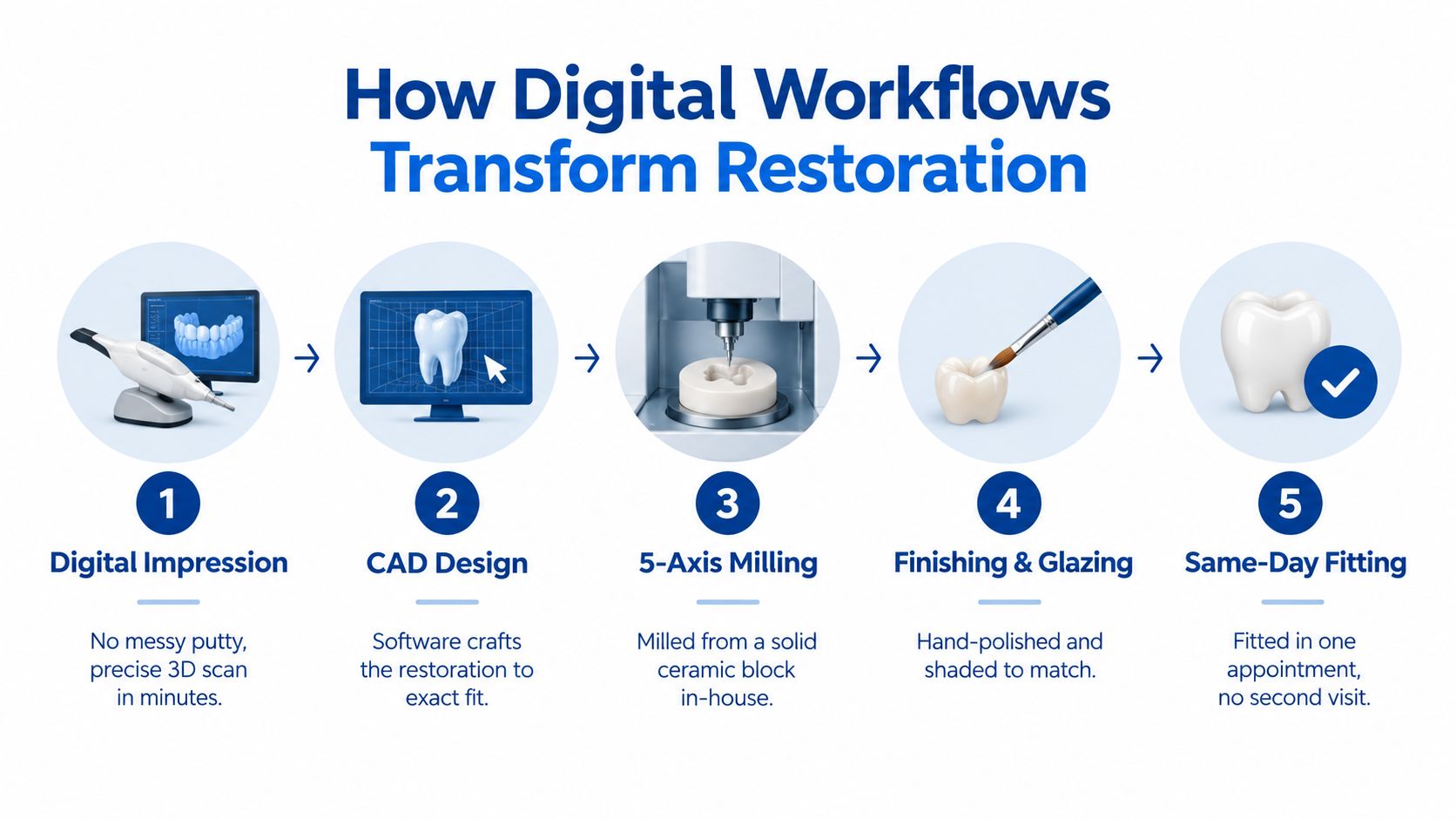
Digital dentistry replaces several vulnerable handoffs with a connected sequence. The patient still receives a careful examination and preparation, but the information moves electronically from the operatory to the design and manufacturing stages.
Step one, capture the mouth accurately
An intraoral scanner records the teeth, gums, preparation margins, opposing arch, and bite relationship as a digital model. This approach avoids the discomfort and distortion that some patients associate with conventional impression material. The scan data is typically transferred as an STL file, a digital format used to move the three-dimensional information into design software, as explained in this review of complete digital prosthodontic workflows.
The scan is only useful if the clinician captures the finish line clearly and verifies the bite. Saliva, blood, retraction, movement, and unclear margins can still compromise the record. Digital tools don't replace clinical judgment. They give the team a clearer, more editable record when used correctly.
Step two, design the restoration
CAD software uses the scan to shape a crown, veneer, bridge, implant component, night guard, or other appliance. The design can account for tooth contours, contact points, occlusal forces, available clearance, and the patient's smile goals. A prosthodontist can review the proposed form before milling begins, rather than waiting until a finished restoration arrives.
Step three, mill or print the design
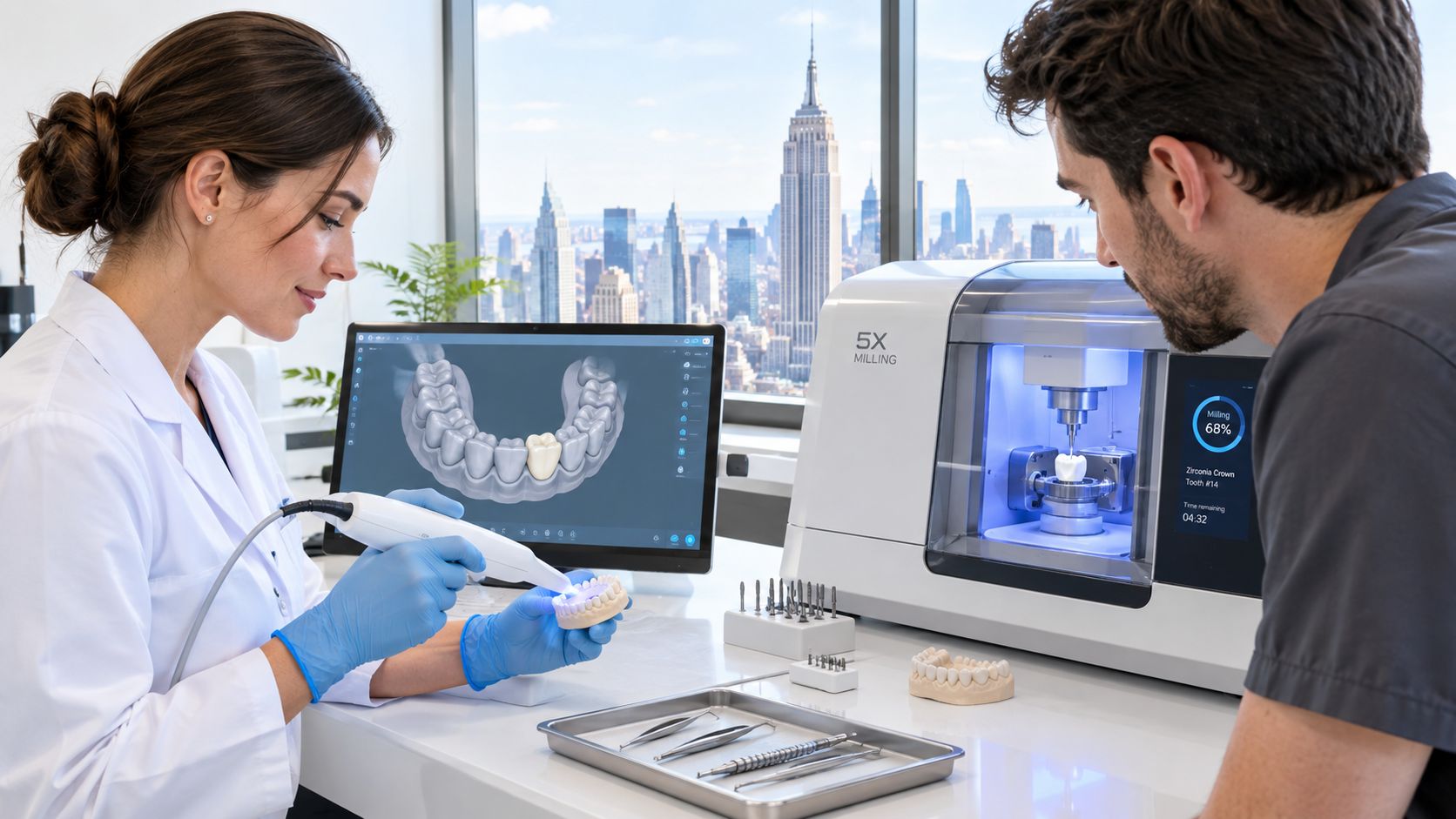
The approved file directs a milling unit or 3D printer. For ceramic crowns, a milling system may shape a solid ceramic block, after which the restoration can be characterized and polished. Readers interested in the broader relationship between scanning and additive manufacturing can explore this technical resource on scanning for 3D printing.
A same-day sequence can include digital preparation, CAD design, 5-axis milling, furnace firing, and permanent bonding. A dental practice describing this workflow reports a typical turnaround of 90 to 120 minutes for a standard single-visit restoration, although the actual time depends on the tooth, material, design, and clinical findings, as detailed by this same-day restoration workflow.
Step four, finish and verify
Milling isn't the final clinical step. The restoration may require staining, glazing, polishing, contact verification, and inspection against the digital and clinical records. The dentist checks the fit, bite, appearance, and patient comfort before final cementation or delivery.
Precision and Quality Control Advantages
An in-house dental lab gives a prosthodontist-led, multi-specialty practice in Manhattan closer control of the accuracy chain. It does not guarantee a perfect restoration. Accuracy begins with diagnosis and preparation, continues through scanning and design, and ends with verification in the mouth. Consistent protocols must guide each step, with the dentist and laboratory team accountable for the result.
Marginal fit is one important checkpoint. The margin is the boundary where a crown meets the prepared tooth. An open or irregular junction can allow plaque and oral fluids into the space, increasing biological risk around the restoration. Comparative CAD/CAM evidence reports mean marginal discrepancies of about 62 to 80 micrometers for CAD/CAM restorations, compared with approximately 110 to 150 micrometers for conventional techniques, according to comparative evidence on CAD/CAM marginal accuracy.
Why small gaps matter
Larger marginal gaps can increase microleakage and the risk of secondary caries. Clinicians therefore assess marginal adaptation alongside the patient's periodontal condition, preparation design, cement space, and ability to maintain the restoration. Published thresholds provide useful context, but they do not predict the outcome of an individual crown.
A practice with direct clinical oversight can identify problems before they become chairside surprises. If a digital margin is incomplete, the team can repeat the scan before design. If a contact is too tight in the virtual model, it can be adjusted before milling. If a restoration needs refinement after try-in, the clinician and laboratory technician can review the clinical findings and digital file together.
Standardization protects consistency
The scanner must be calibrated, soft tissue controlled, and the preparation fully visible. The design must reflect the patient's actual bite, not an idealized model. Scan quality influences final fit, so the team should inspect the preparation scan, opposing arch, occlusal record, and margin capture before approving production.
In a Manhattan practice serving patients across prosthodontic and specialty care, this review is especially useful when restorative work interacts with implants, periodontal therapy, or complex occlusion. The digital file supports communication, but it does not replace clinical judgment.
The patient-facing benefit is straightforward. A controlled process can reduce avoidable adjustments and support a restoration that feels natural when the patient closes, chews, and speaks. The clinician still evaluates the tooth, gums, bite, and surrounding structures because digital precision cannot compensate for untreated decay, unstable periodontal health, or an incorrect diagnosis.
A restoration should be judged by more than how quickly it was made. Fit, function, tissue health, appearance, and maintainability must agree.
Faster Turnaround and Same-Day Solutions
A patient with a fractured tooth may arrive at a Manhattan practice unsure whether treatment will require several visits. With an external laboratory, the practice records the case, ships the files or impressions, waits for fabrication, receives the restoration, and schedules delivery. That sequence remains appropriate for some highly specialized work, but each handoff can limit the opportunity for a quick adjustment.
An in-house dental lab shortens the path from digital records to design review and fabrication. Evidence syntheses in digital restorative dentistry report that these workflows can expedite treatment while maintaining precision, and some CAD/CAM systems produce high-strength restorations in under 90 minutes, according to this review of digital restorative dentistry. That timeframe applies to selected workflows, not every restoration or patient.
The practical patient difference
A crown patient may spend less time in a temporary restoration. Someone with a fractured tooth may face fewer days of uncertainty. For an implant-supported restoration, coordinated review can help the prosthodontist, dental technician, and specialty team assess the implant position, soft-tissue contours, occlusion, and proposed final design within the same treatment process.
Same-day access also allows the clinician to respond while the patient is present. After fabrication, the dentist can evaluate shade, proximal contacts, and occlusion, then make an appropriate correction before the visit ends when the case permits. Near-same-day adjustments are particularly useful in complex rehabilitations and implant-supported cases, where a small discrepancy may affect several connected units. The benefit is clinical control, not speed for its own sake.
In a prosthodontist-led, multi-specialty practice on Manhattan's Upper East Side, this distinction matters. A patient's restorative treatment may intersect with implant therapy, periodontal care, or a broader occlusal plan. Keeping production in the practice can make communication faster, while the treating team still decides whether the restoration is ready for delivery.
When speed isn't the right priority
Some patients need periodontal treatment before a crown. An implant may require healing before final restoration. Full-mouth rehabilitation can call for diagnostic records, provisional testing, bite evaluation, and staged treatment. Complex cosmetic cases may benefit from a careful preview and patient discussion instead of immediate fabrication.
The right question is whether same-day production suits the diagnosis, design, tissues, and treatment plan. An in-house dental lab should reduce avoidable waiting while preserving the time needed for planning, clinical assessment, and quality control.
Custom Restorations for Complex Cases
A single crown can be a small restoration with a large effect. It must protect the tooth, contact neighboring teeth correctly, support chewing, preserve the gum line, and look appropriate beside natural enamel. In a prosthodontist-led practice, the laboratory team can evaluate those details alongside the dentist rather than treating the prescription as an isolated order.
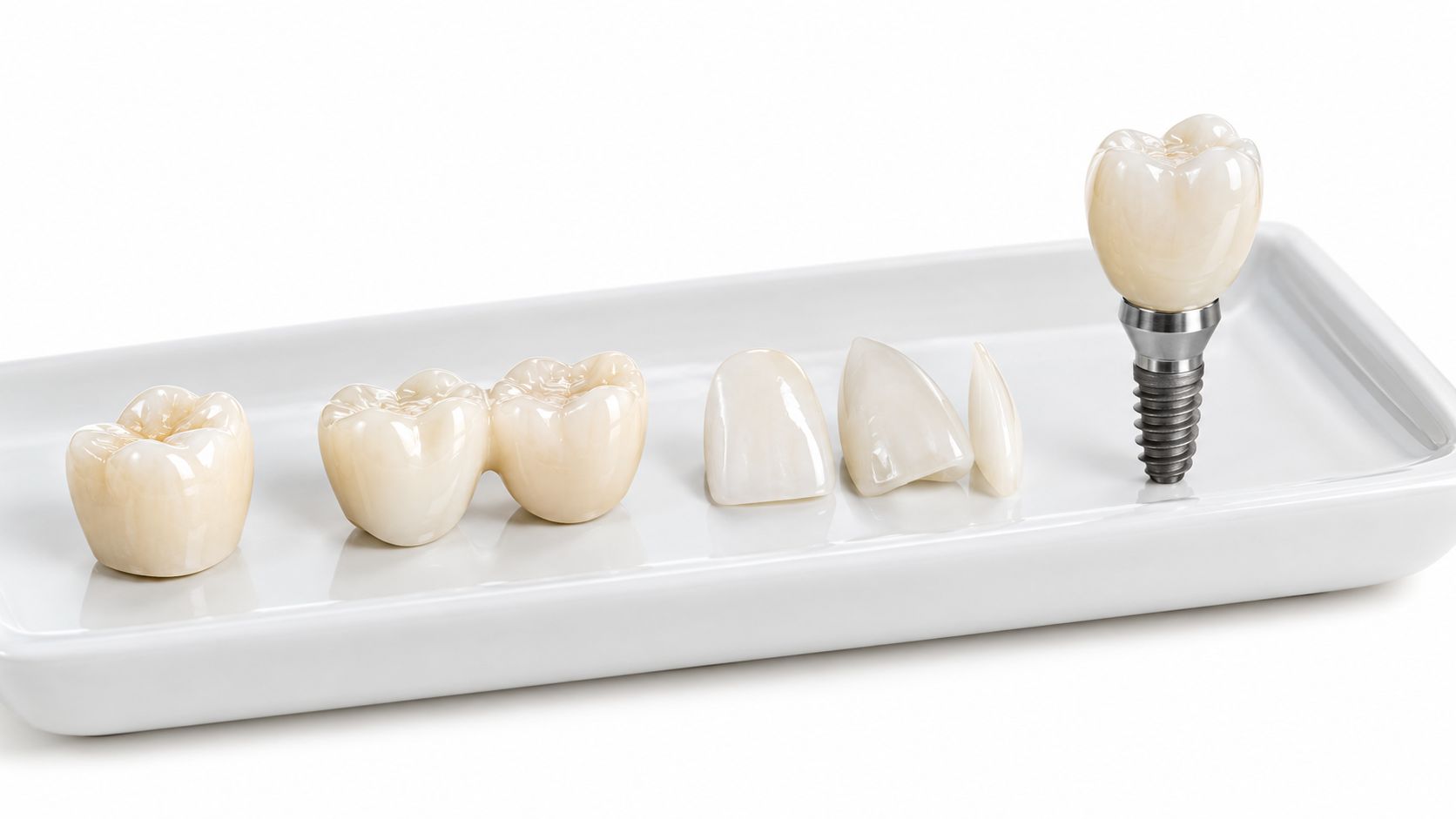
Crowns and bridges
For a damaged molar, the focus may be strength and stable occlusion. For a front tooth, translucency, surface texture, and symmetry become equally important. A bridge adds another layer because the replacement tooth must relate to the supporting teeth and the gum contour between them. Patients considering treatment can review crowns and bridges as part of the restorative planning process.
A digital scan lets the team compare the prepared tooth with the adjacent teeth and opposing arch. The in-house dental lab can then refine the restoration around the patient's actual anatomy. That doesn't mean every case will be fabricated in a single visit, but it does create a more direct path for questions and modifications.
Implant-supported restorations
An implant crown isn't designed in isolation. The clinician must consider the implant's position, available restorative space, gum architecture, smile line, hygiene access, and bite. If several implants support a bridge or denture, the relationship between the components becomes even more important.
A coordinated team can review the surgical and restorative information together. Patients with missing teeth may receive an implant-supported crown, bridge, or denture, while patients who aren't candidates for immediate implant treatment may need bone or gum care first. The appropriate sequence protects long-term function rather than prioritizing a quick visible result.
Veneers and full-mouth rehabilitation
Cosmetic treatment also requires functional planning. Veneers can improve color, spacing, or tooth form, but the design must respect enamel, speech, lip support, and the patient's bite. A smile makeover should never be planned from a photograph alone.
Full-mouth rehabilitation requires an even broader view. Severe wear, failing dentistry, missing teeth, and bite instability may involve crowns, onlays, implants, periodontal treatment, orthodontics, or provisional restorations. Digital photographs, scans, and case reviews help the team evaluate how each piece contributes to the final result.
For patients, the benefit is personalization without confusion. A technician can see the clinical records, the dentist can discuss the design, and the patient can receive an explanation of what will happen before fabrication proceeds. That shared process is especially useful when comfort, appearance, and chewing function all matter equally.
Why Prosth & Co. on the Upper East Side
For Manhattan patients, an in-house dental lab is most valuable when it supports a broader clinical system. The Upper East Side practice described here combines prosthodontic planning with restorative, implant, cosmetic, endodontic, periodontal, orthodontic, pediatric, and oral surgery services. That model allows a patient with a damaged tooth, missing teeth, gum concerns, or a complex bite to receive coordinated evaluation rather than navigating disconnected appointments.
The practice is led by prosthodontist Dr. Victoria Park, with postgraduate training in prosthodontics from Harvard School of Dental Medicine and implantology from Columbia University. Its location at 47 E 77th St #207, New York, NY 10075, near the 77th Street 6 train, supports patients seeking care on the Upper East Side and elsewhere in Manhattan.
Care organized around the patient
A patient may begin with a thorough exam, dental X-rays, intraoral photography, and a discussion of symptoms and goals. The next step could involve a crown, root canal, tooth extraction, dental implant, periodontal treatment, denture, veneer, or full-mouth rehabilitation. The team can also address preventive dental care, cleaning and exams, teeth whitening, orthodontics, night guards, sleep appliances, and pediatric needs.
Search terms often reflect that range of needs. Patients may look for a dentist in Manhattan, a dentist in New York, a Cosmetic dentist near me, an Emergency dentist, an Endodontist, a Prosthodontist, a Pediatric Dentist, or a Kids Dentist. The right appointment depends on the clinical problem, not just the search phrase. A consultation helps identify whether pain comes from decay, a cracked tooth, infection, gum disease, bite trauma, or another cause.
The in-house dental lab adds direct oversight for appropriate custom restorations. It doesn't replace specialist judgment or make every treatment immediate. It gives the clinical team another way to coordinate design, fabrication, fitting, and adjustment while keeping the patient's comfort and long-term oral health at the center.
Patients seeking restorative, implant, cosmetic, or multidisciplinary dental care on Manhattan's Upper East Side can visit Prosth & Co. for a consultation. The practice combines prosthodontic planning, an in-house dental lab, and coordinated specialty care to create restorations designed for fit, function, appearance, and lasting maintainability.
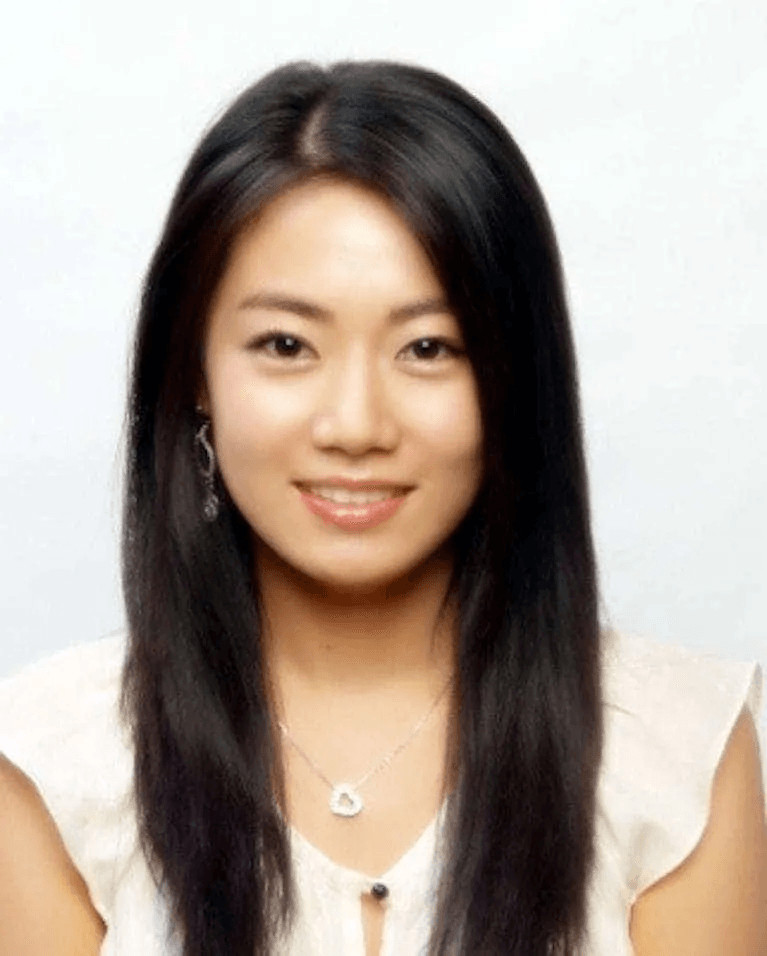
Founder and lead prosthodontist of Prosth & Co. on Manhattan's Upper East Side. DDS, Columbia University; Prosthodontics certificate and MMSc in Oral Biology, Harvard School of Dental Medicine; Implantology fellowship, Columbia University.
Meet Victoria →