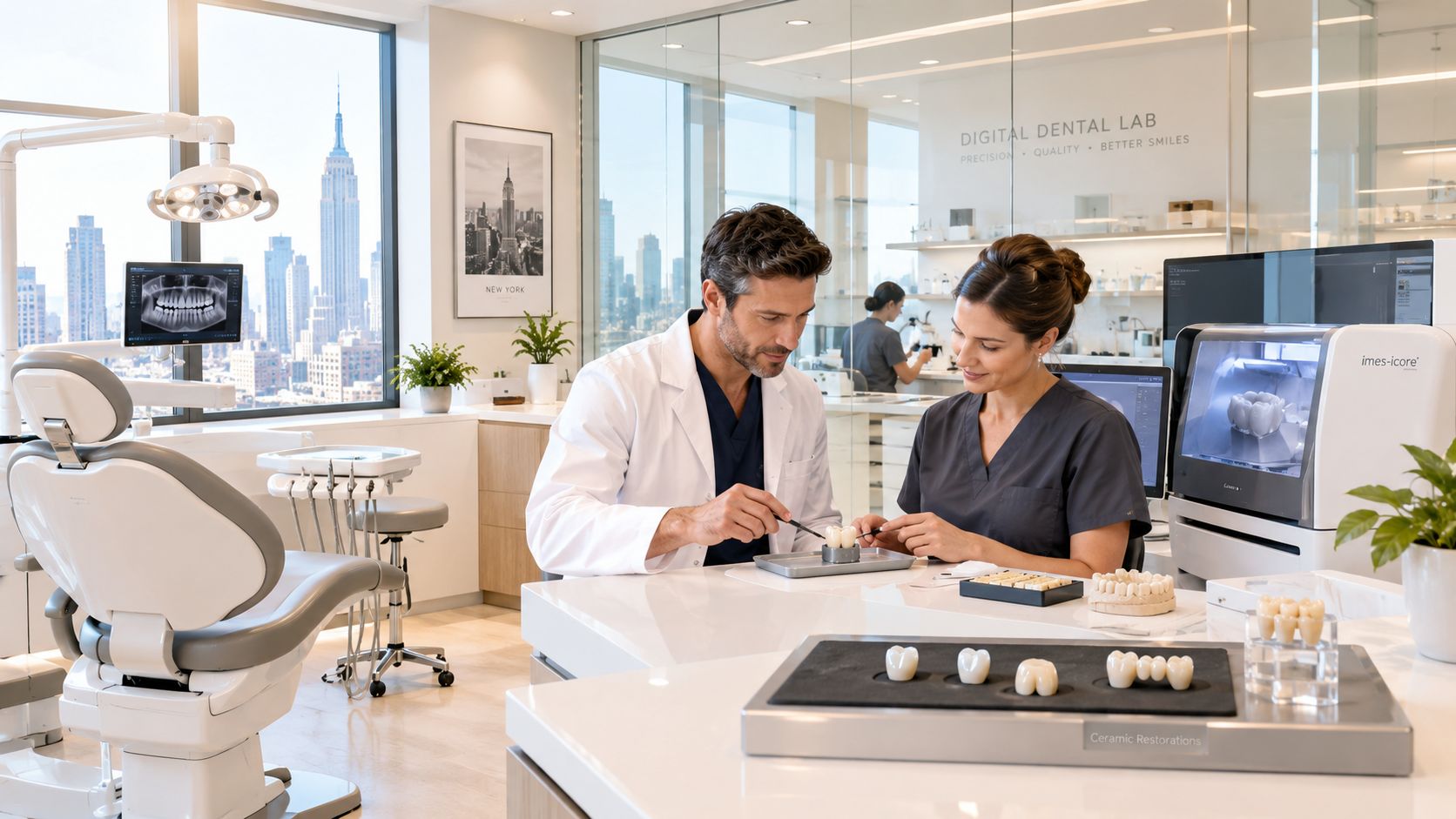
An on-site laboratory is a dental lab inside the practice where crowns, bridges, dentures, and veneers are made under the same roof as patient care, and suitable single-unit restorations may be completed in about 60–90 minutes. The result can be fewer visits, quicker adjustments, and a restoration shaped around the patient's own smile.
A cracked tooth before an important week in Manhattan can create more than pain. A patient may be worried about a temporary crown, another appointment, a visible shade difference, or whether the final restoration will feel natural when biting. Traditional treatment often sends the case to an outside laboratory, which can leave the patient waiting while the dental team and technician communicate from separate locations.
An on-site laboratory changes that experience. The dentist, dental technician, digital records, and restoration can stay connected in one place. That doesn't mean every crown or implant restoration should be rushed, but it does mean the team can often make decisions more directly and correct small details before the final placement.
Table of Contents
- Why a Dental Lab Down the Hall Matters for Your Smile
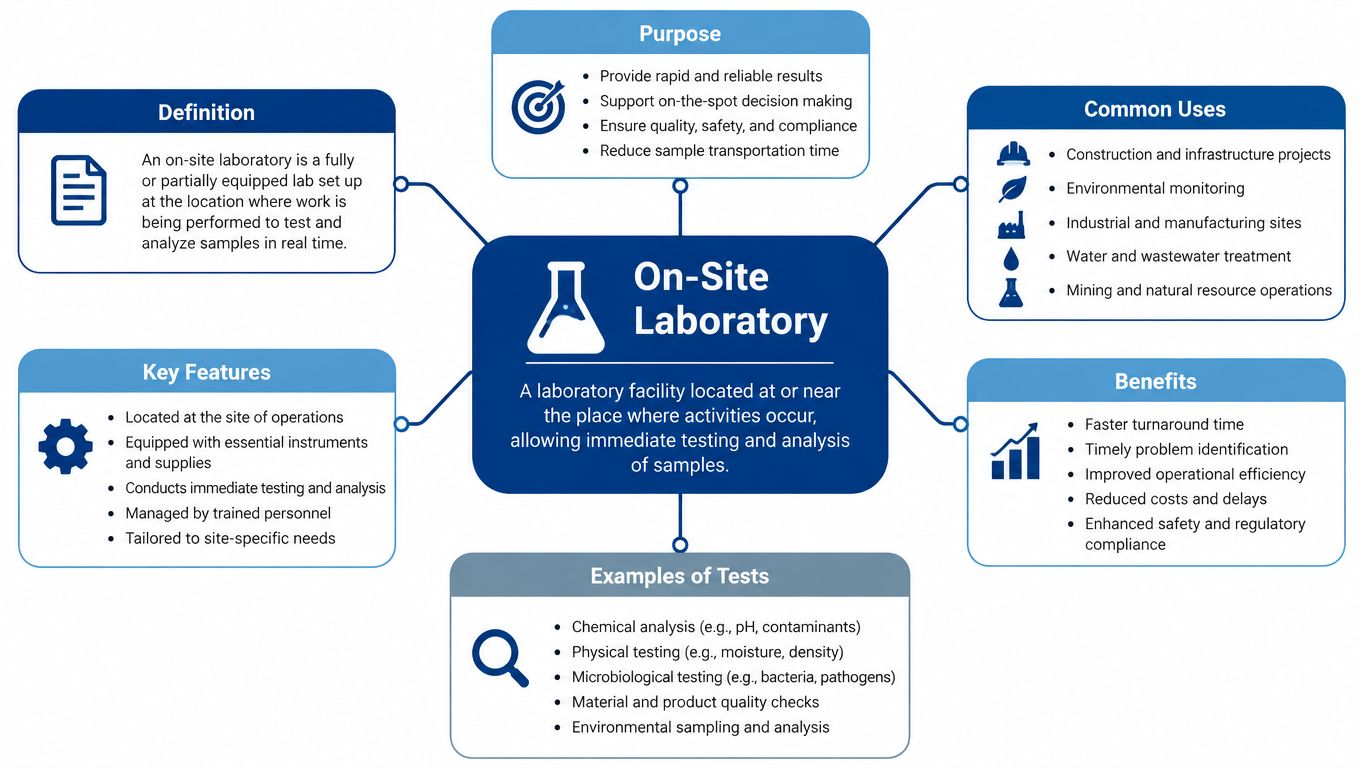
- What an On Site Laboratory Actually Is
- Quality Control and Custom Restorations Under One Roof
- Turnaround Time and Same Day Restorations
- Better Communication Between Dentist and Technician
- Real Situations Where an In-House Lab Changes Your Visit
- What to Expect When You Visit Prosth & Co. in Manhattan
Why a Dental Lab Down the Hall Matters for Your Smile
A fractured molar can turn an ordinary week into a series of decisions: protect the tooth, choose a restoration, check the bite, and make sure the result feels natural. With a front tooth, the questions become more visible. Does the shade blend when you speak? Is the edge the right length? Will the crown look natural in daylight, not only under the operatory lamp?
An outside laboratory separates the people making those decisions. The dentist sends a prescription, images, and a scan, then waits for the technician's work to return. A Dental Products Report feature on in-house milling discusses the value of bringing laboratory work into the practice, but the patient benefit is more specific than speed alone: the team can check details while the patient is still present.
At a Manhattan practice with a lab down the hall, the technician can examine the proposed shade with the dentist and patient together. For an anterior crown, that may mean holding shade tabs beside the natural teeth near a window, where daylight reveals differences that overhead lights can hide. For a posterior crown, the team can use bite paper to check contact before the restoration is glazed. A small adjustment at that point is easier than discovering the problem after cementation.
The patient benefit is control
An on-site lab does not decide whether a patient needs a crown, filling, root canal, extraction, veneer, bridge, or implant restoration. The dentist makes that clinical decision. The technician then helps translate it into a restoration shaped for the tooth, bite, facial proportions, and cosmetic goals.
At Prosth & Co. on Manhattan's Upper East Side, the prosthodontist-led practice includes an in-house dental laboratory and a collaborative team. The practical difference is continuity. The person diagnosing the tooth, the person designing the restoration, and the person checking its fit can discuss the case directly, rather than relying entirely on shipping, written instructions, or delayed photographs.
For implant restorations, that conversation matters even more. The prosthodontist and technician can review how the restoration relates to the implant position, neighboring teeth, bite, and smile before the final result is delivered.
Practical rule: Faster treatment matters when it also protects careful decisions about shade, fit, bite, and future maintenance.
What an On Site Laboratory Actually Is
An on-site laboratory is a dental laboratory located inside a dental practice. It can be compared with having a master tailor working in the same store where a suit is purchased. Measurements, fittings, fabric choices, and adjustments happen close to the person responsible for the final result.
A dental technician designs and fabricates restorations while working directly with the dentist. Depending on the case, the laboratory may produce:
- Crowns and bridges: Restorations that replace or protect damaged teeth and fill spaces between teeth.
- Veneers and ceramic inlays or onlays: Custom pieces used when shape, color, or a damaged portion of a tooth needs careful attention.
- Dentures: Removable full or partial appliances that restore chewing function and support facial appearance.
- Night guards: Protective appliances designed around the patient's bite.
- Implant restorations: Crowns, bridges, or dentures designed to connect with dental implants.
The practice may use digital impressions, intraoral scans, photographs, and treatment-planning software alongside traditional laboratory techniques. Digital dentistry can combine scans, photography, imaging, diagnostics, and planning into one patient record. Platforms such as DEXIS digital dentistry software describe a patient workspace that brings those records together for education, planning, and surgical-guide creation.
A short history of dental laboratories
Commercial dental laboratory work in the United States has a long history. The first widely recognized commercial dental laboratory is traced to 1887, when Dr. Charles Stowe opened a dedicated laboratory that later became known as Stowe and Eddy. Industry reporting also records a decline from 7,863 laboratories employing 49,597 people in 2004 to 6,584 laboratories in 2015, a 16% decrease in the number of laboratories from the earlier peak, as documented in the history and dental laboratory overview from CIT Dental Lab.
That consolidation makes a full laboratory inside a dental practice less common than sending cases to an external facility. Patients comparing laboratory environments can also consult a broader Medical Lab Design guide from Material Handling USA to understand how laboratory spaces are organized for workflow, equipment, and quality control.
An on-site laboratory isn't merely a chairside milling machine. A mill may cut a restoration from a digital design, while a full laboratory can include design, finishing, staining, glazing, polishing, denture work, repairs, and technician-led adjustments. The distinction matters because a restoration's final appearance and comfort depend on more than the machine that begins its fabrication.
Quality Control and Custom Restorations Under One Roof
The most important benefit may be the one patients don't see. When the dentist and technician work in the same building, they can review the clinical information together before the restoration reaches the mouth.
That information may include an intraoral scan, dental x-rays, facial photographs, shade records, bite information, and the dentist's design goals. If a crown looks too broad on a digital model, the team can discuss its contour. If a veneer appears too opaque beside the neighboring tooth, the technician can refine the design or material choice before final placement.
Small changes can protect the final result
A restoration has to do more than fill a space. It should support chewing, maintain a comfortable bite, protect the prepared tooth, and look appropriate within the smile. Direct review gives the clinician and technician a chance to examine those details together rather than relying only on a written prescription sent to a separate facility.
For a crown, that may mean adjusting the contact between neighboring teeth or refining the chewing surface. For a veneer, it may involve evaluating edge length, surface texture, or color beside the patient's natural teeth. For a denture, the technician may be able to improve the polish, adjust the fit, or refine the bite after the dentist evaluates it.
An in-house workflow can reduce back-and-forth communication and lower the likelihood of remakes or post-delivery corrections because refinements happen earlier. The clinical description of an in-house dental laboratory explains how shared review can support adjustments to impressions, scans, shade selection, contour, and polish.
Digital planning makes the conversation clearer
Patients don't need to understand every laboratory term to participate in treatment planning. With intraoral photography and visual case reviews, the team can show where a tooth is worn, where a crown will sit, and how a proposed restoration relates to nearby teeth.
A clinical photography protocol commonly uses 34 images, with 17 before treatment and 17 after treatment, while noting that additional photographs may be needed for a particular case. The International Journal of Dental Research guidance on digital dental photography also discusses manual or TTL capture modes for documentation quality.
For a patient considering crowns and bridges, that visual process can make the treatment feel less mysterious. The restoration isn't an abstract object ordered somewhere else. It is a planned part of the patient's bite and smile, reviewed by the people responsible for placing and finishing it.
Turnaround Time and Same Day Restorations
Patients usually want one clear answer first, how long will the tooth take? The honest answer depends on the restoration, the tooth's health, the material, the bite, how many teeth are involved, and whether any other treatment has to happen before the final restoration can begin.
An outside-lab workflow often means preparation, a temporary crown, laboratory fabrication, and a second visit. By contrast, chairside digital workflows can shorten that wait considerably. A report on all-digital in-house milling described crowns completed in about two hours, with some finished in as little as 90 minutes, and a separate clinical report described a single-unit restoration that had once needed two visits and a 7–10 day turnaround being completed in roughly 60–90 minutes through chairside CAD/CAM. These figures are documented in the digital dental laboratory turnaround overview and the clinical report on chairside dentistry.
A practical comparison
| Restoration | Traditional Outside Lab | On Site Laboratory |
|---|---|---|
| Single crown | Often involves a temporary restoration, a second visit, and a laboratory wait | May be completed the same day when the case is suitable and digital workflow is available |
| Small bridge | Usually requires external fabrication and a return appointment | May move through design, technician review, and fabrication with fewer outside handoffs |
| Veneer | Requires shade communication and laboratory fabrication before final placement | Allows closer shade and contour review with the dentist and technician |
| Denture repair | Often depends on shipping or an external repair schedule | May be assessed and repaired locally when the laboratory has the needed capability |
| Complex implant restoration | Requires coordination between surgery, restorative care, and laboratory work | Benefits from direct communication, though fabrication may still require careful staged planning |
Digital laboratories that do not use chairside milling may still work on shorter in-lab fabrication windows such as 3–5 day, 5–6 business day, or 8-day timelines, as noted earlier. So an on-site laboratory does not always mean same-day treatment. It means the practice has more control over where the case moves and how quickly questions are answered.
Same-day speed is most predictable for single crowns, small restorations, occlusal appliances, and esthetic prototypes. Extensive rehabilitation, complex implant frameworks, and cases that need input from more than one specialist may still take more visits, because careful planning and verification matter more than rushing fabrication.
Better Communication Between Dentist and Technician
A restoration carries information that can be difficult to capture in a prescription. The dentist may notice a subtle difference in the shade of a front tooth, the way a patient's lip moves, or the way a worn bite guides the jaw. A technician may recognize how a particular ceramic, denture base, or design will behave during fabrication.
When those professionals work in different locations, the information travels through scans, photographs, written notes, and messages. Those tools can be effective, but they don't always communicate the full clinical picture. With an on-site laboratory, the dentist can discuss a concern face to face and the technician can respond to the actual case rather than only to a file.
Implant dentistry benefits from continuity
Implant treatment has a surgical stage and a restorative stage. The implant must be positioned with the final crown, bridge, or denture in mind. If the laboratory and dental team share a building, they can maintain a closer connection between the implant position, the bite, the shape of the restoration, and the patient's functional needs.
A description of in-house implant laboratory coordination explains that direct communication and oversight can support same-day adjustments or remakes while keeping the final restoration aligned with the exact implant position. That doesn't make every implant case immediate. It does make it easier for the surgical and restorative teams to identify a mismatch before it becomes a larger problem.
Complex cases need shared planning
Full mouth rehabilitation, severely worn teeth, and failing dentistry require more than one isolated crown. The team may need to evaluate vertical space, chewing patterns, tooth positions, gum health, bone support, facial proportions, and the patient's ability to maintain the result.
A prosthodontist, surgeon, endodontist, periodontist, orthodontist, and technician may each contribute to the plan. When the laboratory is present, the technician can participate in design discussions instead of entering the process only after the clinical decisions have already been made.
The quiet advantage is not simply that a case can move faster. It is that the people making the decisions can see the same problem at the same time.
This communication also helps set appropriate expectations. An external full-service laboratory may offer broader material choices, advanced artistry, or specialized experience for difficult anterior cosmetic cases. An on-site laboratory is most valuable when its capabilities match the practice's case mix and when the dentist knows which cases benefit from outside specialization.
Real Situations Where an In-House Lab Changes Your Visit
A busy Upper East Side professional chips a front tooth before an important event. The immediate concern is appearance, but the final restoration also needs to match the neighboring teeth and follow the patient's natural lip and smile movement. A dentist and technician working together can review photographs and shade information while planning the shape, rather than treating color as an afterthought.
A patient with a missing molar begins dental implant treatment. The surgical team plans the implant, while the restorative team and technician consider how the final crown will contact neighboring teeth and meet the opposing bite. Keeping those conversations connected can support a restoration that reflects the implant position from the beginning.
Repairs can be less disruptive
A denture wearer may discover a crack, loose tooth, or uncomfortable area before work or travel. An outside laboratory may require shipping and a waiting period. An on-site lab can assess the appliance with the dentist and determine whether a repair or adjustment is appropriate for the available laboratory equipment and the patient's clinical needs.
That doesn't mean every repair can be completed immediately. It means the patient can receive a clearer answer without the same external handoff, and the dentist can check whether the problem comes from the appliance, the gums, the bite, or a change in the mouth.
A teenager in orthodontic treatment may need a retainer or appliance coordinated with the current tooth position. A child who needs a stainless steel or zirconia crown may benefit from family-friendly scheduling that keeps diagnosis, treatment, and laboratory communication within the same dental team.
The right case matters
Patients searching for a dentist near me, a cosmetic dentist near me, or dental implants near me may assume that the fastest option is automatically the best one. The better question is whether the practice has the right clinical and laboratory plan for the specific tooth.
- Esthetic cases: Front teeth may need careful shade, translucency, texture, and contour work.
- Implant cases: The final crown or bridge must relate to implant position, bite, gum contours, and hygiene access.
- Emergency needs: Pain, swelling, a broken tooth, or a lost restoration may require diagnosis before fabrication.
- Family care: Pediatric dentistry, orthodontics, and restorative treatment may require different materials and scheduling.
What to Expect When You Visit Prosth & Co. in Manhattan
A first visit at an Upper East Side dental practice should begin with understanding the problem, not immediately choosing a restoration. A full exam may include a review of symptoms, dental history, existing work, bite, gums, tooth structure, and relevant dental x-rays.
Digital treatment planning can then bring together intraoral scans, photographs, and other diagnostic records. A visual case review gives the patient an opportunity to see the condition of the tooth and understand why the team may recommend a filling, crown, root canal, tooth extraction, bridge, denture, or dental implant.
A coordinated visit under one roof
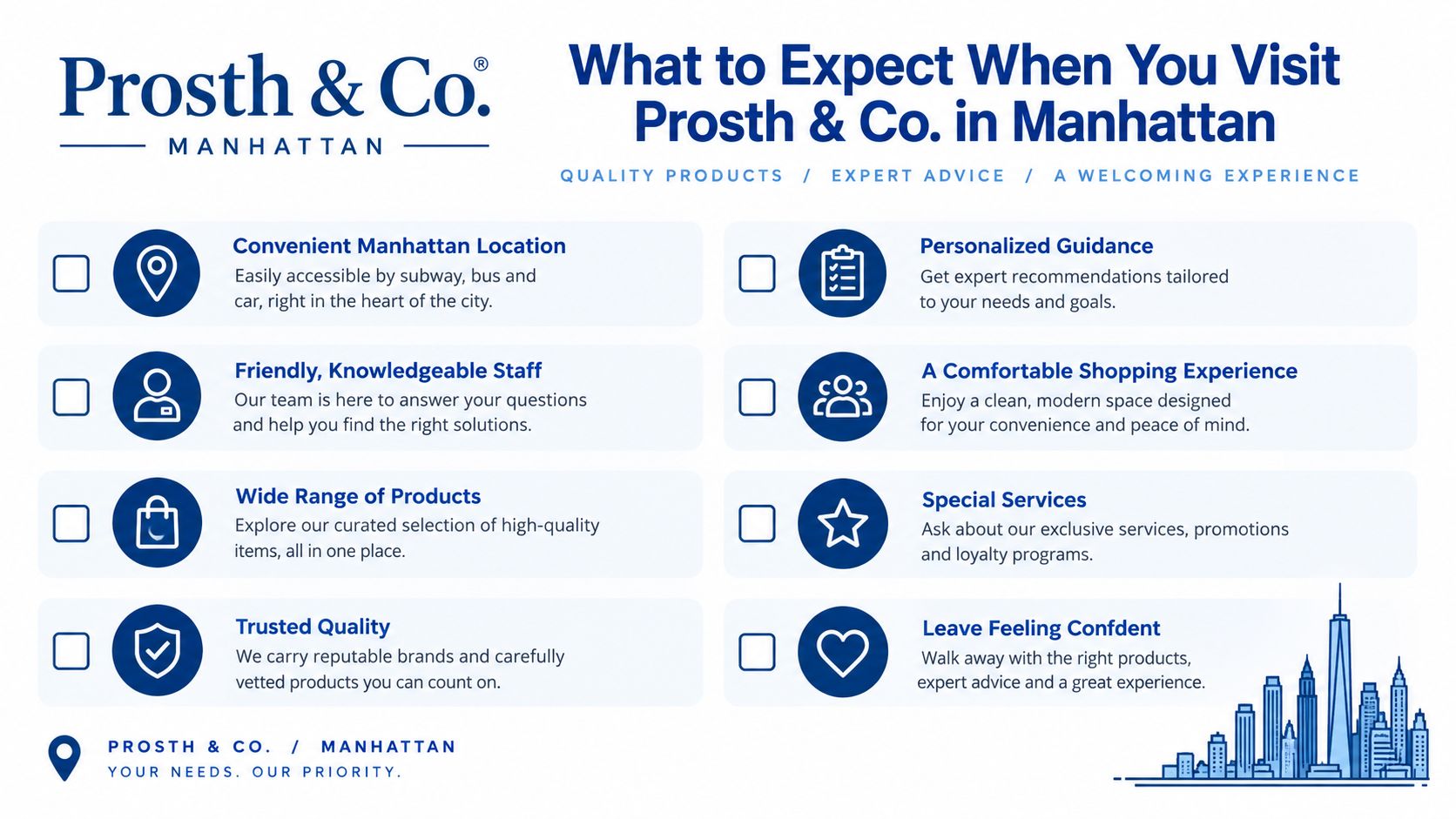
The practice at 47 E 77th St #207, New York, NY 10075, is on Manhattan's Upper East Side near the 77th Street 6-train. Weekday hours are Monday through Friday, 9:00 AM to 6:00 PM, with urgent care availability for patients who need prompt guidance about pain, swelling, a broken tooth, or another dental concern.
Dr. Victoria Park's training includes advanced prosthodontics at Harvard School of Dental Medicine and implantology training at Columbia University. The practice's services include:
- Preventive and general care: Cleanings, exams, sealants, fluoride, fillings, and bonding.
- Restorative care: Crowns, bridges, ceramic inlays and onlays, dentures, and full mouth rehabilitation.
- Implant care: Implant placement and implant-supported crowns, bridges, and dentures.
- Specialty care: Root canal treatment, periodontics, bone grafting, sinus augmentation, and oral surgery.
- Cosmetic and orthodontic care: Veneers, smile makeovers, clear aligners, and traditional braces.
- Family services: Pediatric dentistry, children's crowns, and care for families seeking a kids dentist in Manhattan.
Patients searching for a dentist in Manhattan, dentist in New York, emergency dentist, endodontist, prosthodontist, pediatric dentist, or kids dentist can ask how the clinical team and laboratory coordinate care. The answer should include not only turnaround time, but also who reviews the shade, fit, bite, implant design, and long-term maintenance plan.
For crowns, bridges, dentures, veneers, implant restorations, emergency evaluations, and family dental care, patients can schedule an appointment or consultation with Prosth & Co.. The Upper East Side team combines prosthodontic planning, specialty care, and an on-site laboratory to help reduce unnecessary visits while keeping each restoration closely connected to the patient's smile, bite, and health.

Founder and lead prosthodontist of Prosth & Co. on Manhattan's Upper East Side. DDS, Columbia University; Prosthodontics certificate and MMSc in Oral Biology, Harvard School of Dental Medicine; Implantology fellowship, Columbia University.
Meet Victoria →