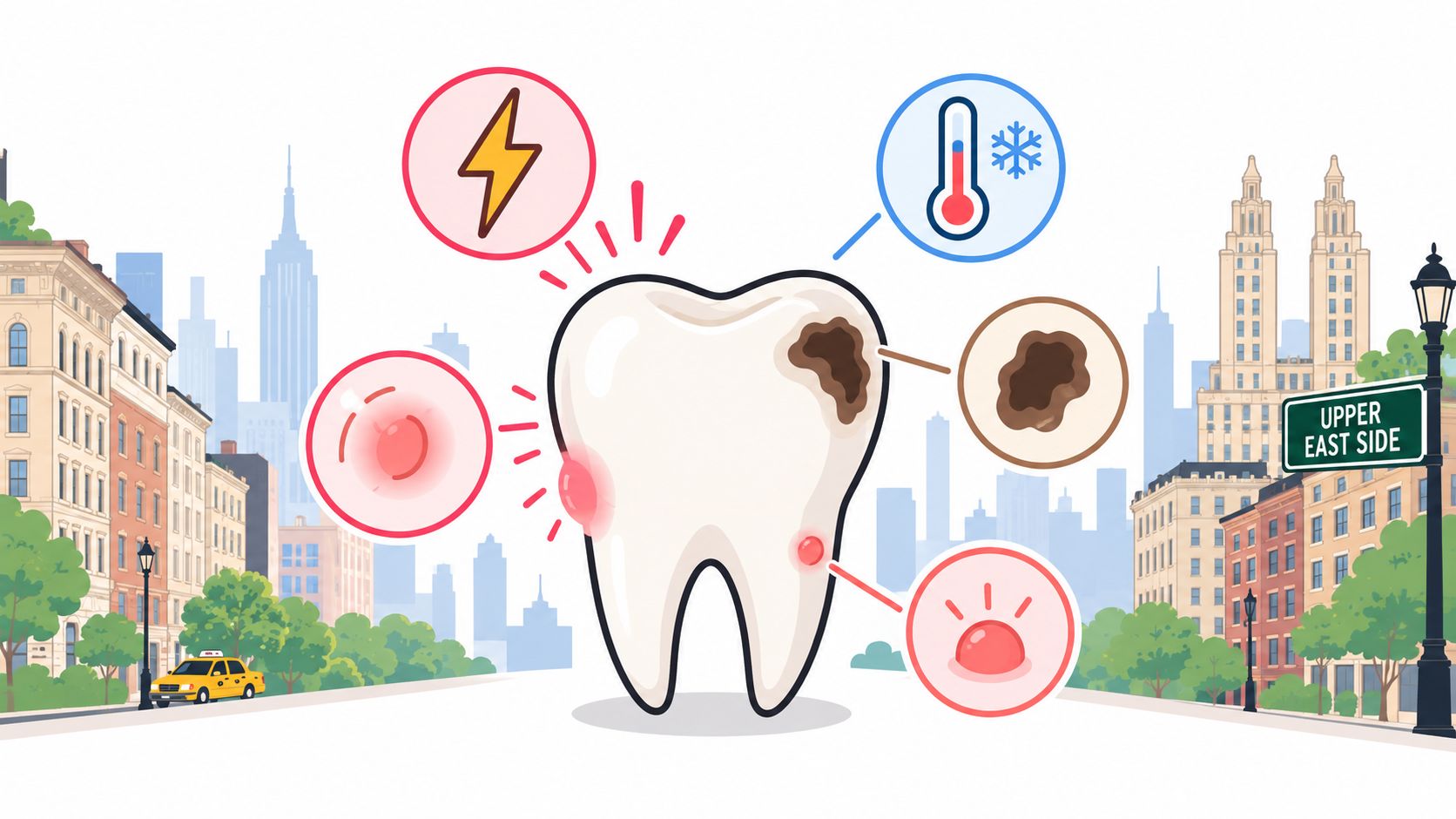
Lingering hot or cold sensitivity that lasts 30 seconds or more, pain when biting, swelling or a gum bump, tooth discoloration, and symptoms after trauma all warrant a dental evaluation. These signs don't confirm that root canal treatment is needed, because only a clinical examination and appropriate imaging can identify the cause.
A sip of coffee on the way to a Manhattan office can leave one tooth aching long after the cup is empty. A darker front tooth may become noticeable in the mirror, or a small bump on the gum may appear and disappear without much pain. These symptoms can feel easy to postpone, especially when the discomfort is intermittent.
At Prosth & Co. on Manhattan's Upper East Side, a prosthodontist-led team coordinates endodontic care, diagnostic imaging, restorative treatment, and treatment planning. The practice serves adults, families, teens, and children who need care from an endodontist, emergency dentist, prosthodontist, pediatric dentist, or kids dentist in Manhattan.
The following seven signs focus on clues patients may notice at home. They also explain which symptoms deserve urgent attention, which factors increase risk, and how a local dental evaluation can guide the next step.
Table of Contents
- 1. Severe Tooth Pain or Sensitivity to Hot and Cold
- 2. Discoloration or Darkening of the Tooth
- 3. Prolonged Swelling or a Pimple-Like Bump on the Gums
- 4. Tooth Mobility or Loosening
- 5. Persistent Bad Breath or Foul Taste Despite Good Oral Hygiene
- 6. Recent Trauma or Injury to the Tooth
- 7. History of Deep Decay or Large Fillings
- 7-Point Comparison: Signs You Need a Root Canal
- Get the Right Dental Evaluation Before Pain Escalates
1. Severe Tooth Pain or Sensitivity to Hot and Cold
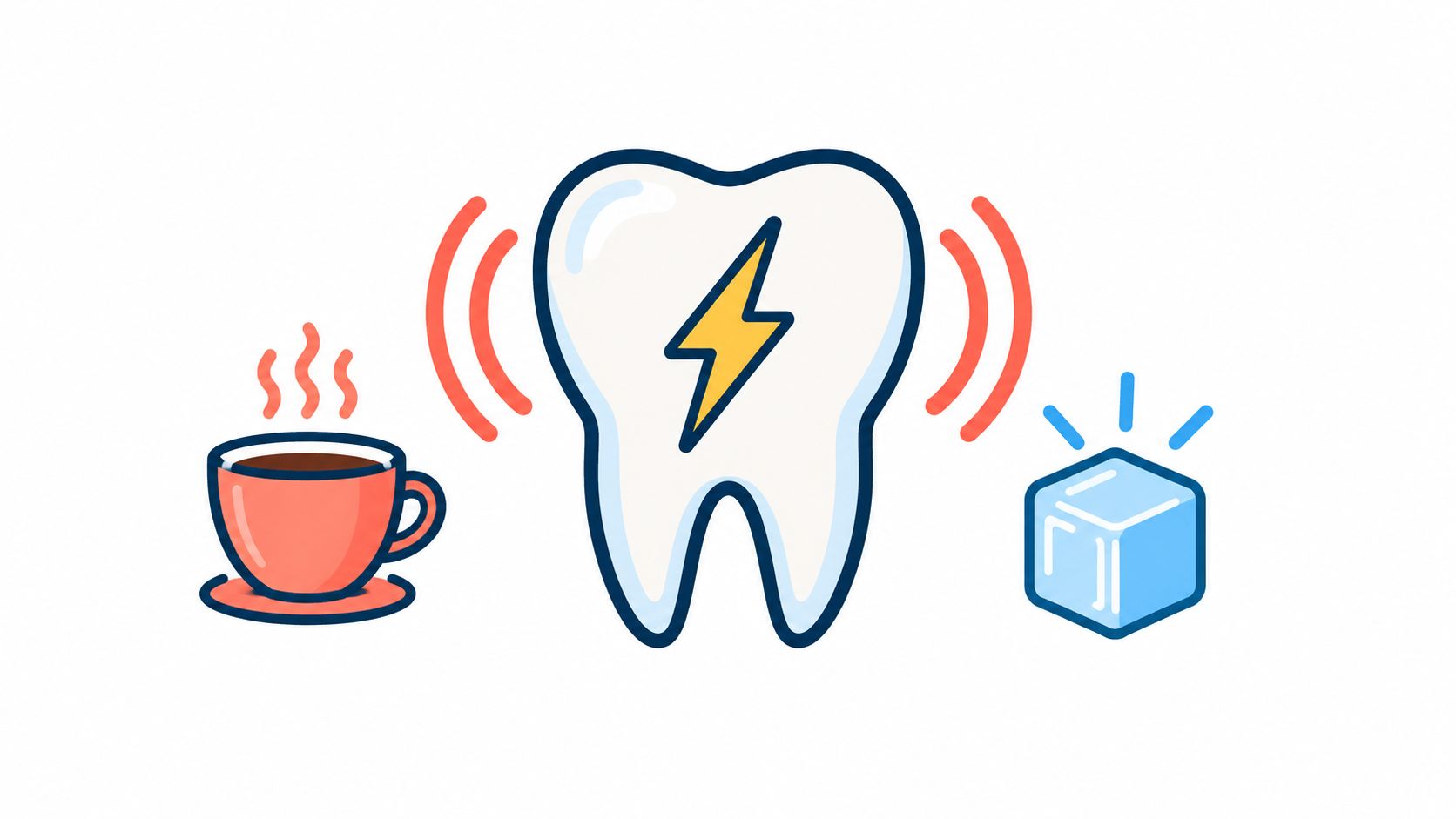
Sharp pain from hot coffee, cold water, ice, or sweet foods can signal irritation inside a tooth. Persistent tooth pain that worsens with chewing or biting is also concerning, particularly when the discomfort seems to come from one tooth rather than the mouth generally. Clinical guidance identifies lingering thermal pain and pain triggered by pressure as important signs of pulp inflammation or infection, although symptoms alone can't establish a diagnosis. WebMD's root canal guide explains that sensitivity may continue after the hot or cold trigger is gone.
Ordinary sensitivity usually fades quickly. A more serious pattern involves an ache or sharp sensation that continues after the stimulus has been removed. Endodontic guidance describes pain lasting about 30 seconds or longer after a temperature trigger as a sign that the pulp may be damaged. The American Association of Endodontists also notes that lingering pain after temperature exposure can indicate pulp injury. The AAE patient explanation of root canal treatment offers a plain-language overview of this symptom.
What patients can do before the visit
Patients can note which foods trigger the pain, whether the sensation is sharp or aching, and whether it occurs during chewing or afterward. Avoiding extreme temperatures temporarily may reduce discomfort, but pain relievers only provide temporary symptom control and don't treat the underlying problem.
Practical rule: Pain that lingers, returns repeatedly, or makes one side of the mouth difficult to use deserves an appointment with a dentist near the patient, not prolonged self-monitoring.
A thorough exam and dental x-rays at Prosth & Co. can help distinguish pulp damage from a cavity, cracked tooth, worn filling, gum problem, or another source of referred pain. Patients searching for an explanation of tooth nerve damage can also use that information to prepare for a conversation with the dental team.
2. Discoloration or Darkening of the Tooth
A tooth that gradually turns gray, brown, or noticeably darker than its neighbors needs professional attention, especially after an injury. Internal discoloration can occur when the pulp loses vitality after trauma, decay, or infection. The change may develop slowly and may be the only visible clue that the inside of the tooth needs evaluation.
A surface stain from coffee, tea, tobacco, or food affects the outer appearance of a tooth. A single tooth that changes color from within raises a different question. The distinction can't be made reliably with a mirror alone, so a dentist may combine visual inspection, vitality testing, and dental x-rays or other digital imaging.
Consider a child who falls during sports and later develops a darker front tooth. The tooth may not hurt, but the change still warrants assessment by a pediatric dentist or endodontist. An adult who notices a gray tooth after an old dental procedure also shouldn't assume that whitening will solve the problem. Cosmetic treatment may improve the appearance, but it won't address an unhealthy pulp if one is present.
When discoloration needs more than cosmetic care
Patients can photograph the tooth, record when the change was first noticed, and mention any previous impact, deep filling, or dental procedure. That history helps the team decide whether the concern is cosmetic, endodontic, restorative, or a combination of these.
At Prosth & Co., diagnostic findings can guide treatment ranging from monitoring to endodontic therapy, a crown, porcelain veneers, or another restorative solution. A prosthodontist, cosmetic dentist, and endodontic team can coordinate the plan so that color, strength, bite, and long-term maintenance are considered together.
3. Prolonged Swelling or a Pimple-Like Bump on the Gums
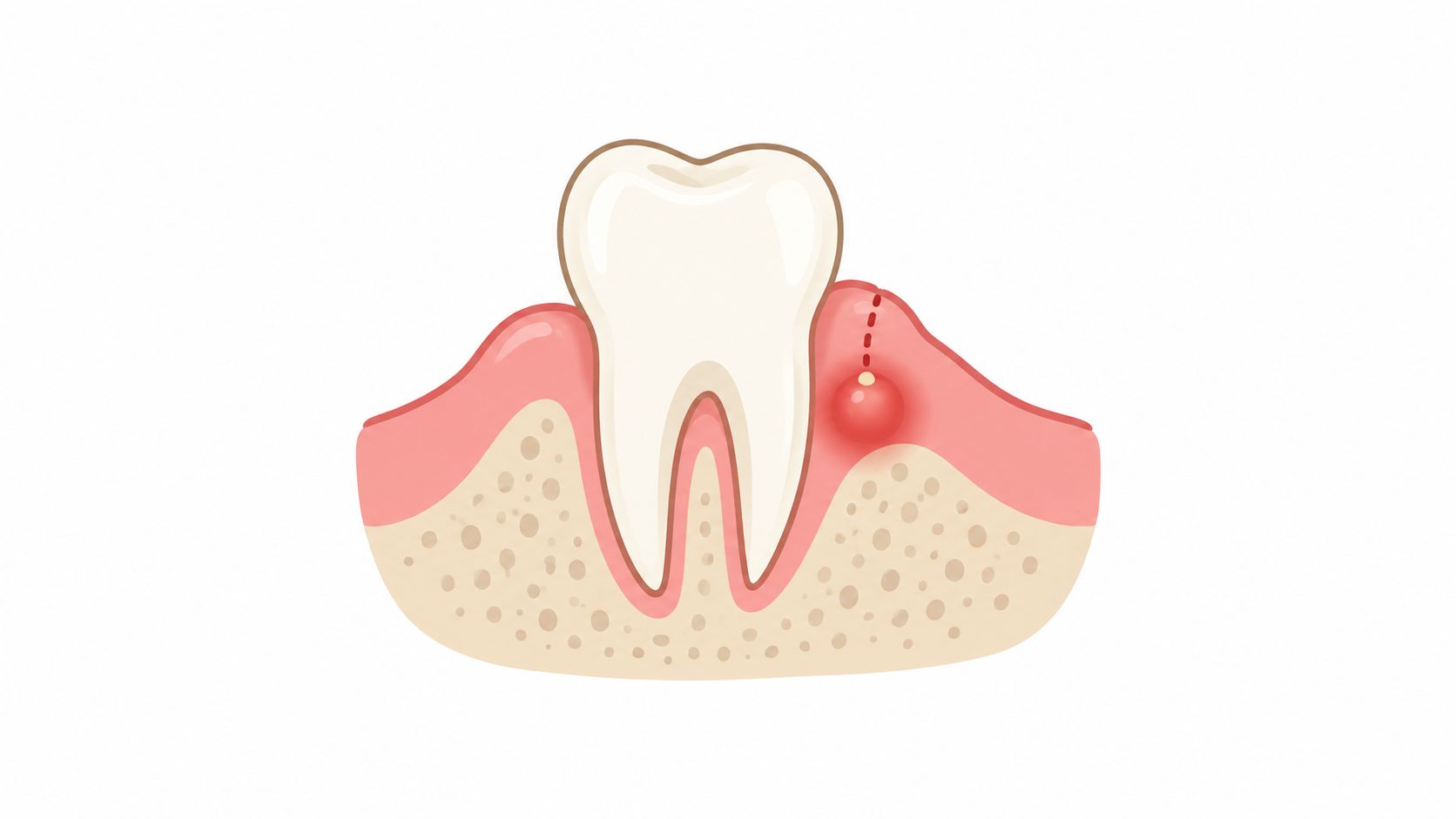
A pimple-like bump on the gum near a tooth may be a drainage point for infection. It can come and go, release fluid, or remain nearly painless. Lack of severe pain doesn't make the symptom harmless, because an infected or non-responsive tooth can sometimes produce few symptoms.
Swelling near a tooth is more concerning when it returns, is accompanied by a foul taste, or appears with pain on chewing. Facial swelling, fever, or difficulty swallowing requires urgent medical or dental attention. Patient guidance from the Cleveland Clinic's root canal treatment resource emphasizes that infection can be present even when a tooth isn't producing dramatic pain.
Patients shouldn't squeeze, puncture, or attempt to drain a gum bump. Antibiotics may be recommended in particular circumstances, but medication alone doesn't remove the damaged pulp or correct the tooth that caused the infection.
When swelling becomes an emergency
A patient on the Upper East Side who notices recurring swelling should contact a dentist near them promptly rather than waiting for the bump to disappear. Prosth & Co. provides urgent evaluation, endodontic assessment, and coordinated care when root canal treatment, restorative dentistry, or oral surgery is needed.
Severe facial swelling, fever, or difficulty swallowing calls for emergency care immediately. A Manhattan emergency dentist can assess the situation, while an endodontist and oral surgeon may coordinate the next step when the infection or swelling requires broader treatment.
4. Tooth Mobility or Loosening
A permanent tooth that suddenly feels loose isn't a normal sensitivity issue. Mobility can develop after trauma, with gum disease, or when inflammation affects the tissues around a tooth. If one tooth becomes loose alongside swelling, discoloration, pain on biting, or a history of deep decay, an urgent examination is appropriate.
The symptom doesn't automatically mean that a root canal is required. A cracked tooth, periodontal disease, an injury, or excessive biting pressure can create similar movement. The dentist needs to examine the tooth, assess the supporting tissues, test the pulp, and review imaging before deciding whether endodontic treatment can help.
Saving the tooth or planning a replacement
Patients should avoid chewing hard foods on a loose tooth and shouldn't repeatedly wiggle it to test its movement. A prompt evaluation may allow the team to stabilize the situation and protect the supporting bone, depending on the cause.
At Prosth & Co., the prosthodontist and endodontic team can consider whether the natural tooth is restorable. Root canal treatment may be combined with a crown or periodontal care when the tooth can be preserved. If extraction becomes necessary because the tooth can't be predictably saved, the restorative discussion may include a dental implant, implant-supported crown, bridge, or denture.
The practical trade-off is straightforward. Preserving a natural tooth can require endodontic and restorative treatment, while extraction removes the immediate tooth problem but creates a missing-tooth decision. A prosthodontist can help patients compare function, appearance, bite, maintenance, and long-term planning rather than treating extraction as an automatic first choice.
5. Persistent Bad Breath or Foul Taste Despite Good Oral Hygiene
Bad breath has many possible causes, including gum disease, dry mouth, food debris, and dietary factors. A persistent foul or metallic taste that seems localized to one tooth or one area of the mouth deserves a dental evaluation, especially when it occurs with drainage, discoloration, or chewing pain.
A patient may brush, floss, and use mouthwash carefully yet still notice an unpleasant taste near one molar. That pattern can point the dental team toward a localized problem, but it doesn't prove that the pulp is infected. A full examination can distinguish a root canal concern from periodontal disease, a failing restoration, or another oral condition.
Details that help identify the source
Patients can record whether the taste is constant or intermittent and whether it appears after pressure is applied to a specific area. A family member or colleague may notice the breath change before the patient does, which can make the symptom particularly frustrating and easy to dismiss.
Prosth & Co. can use clinical examination and diagnostic imaging to locate the source. Depending on the findings, care may involve periodontal treatment, replacement of a failing filling or crown, endodontic therapy, or tooth extraction followed by restorative planning. Regular cleaning and exams remain useful, but mouthwash isn't a substitute for treating a diseased tooth.
6. Recent Trauma or Injury to the Tooth
A fall, sports injury, collision, or blow to the face can damage the pulp even when a tooth looks intact. A chipped or fractured tooth may show symptoms immediately, while another traumatized tooth may darken or become tender later. Trauma-related changes can therefore appear after the initial incident seems to have passed.
A child who chips a front tooth during sports may need assessment by a pediatric dentist, followed by vitality testing or endodontic evaluation. An adult involved in an accident may need an emergency dentist in Manhattan to assess fractures, mobility, soft-tissue injury, and the condition of the pulp. The appropriate response depends on the injury, not just on how much pain the patient feels.
What to do after an injury
Dental care should be sought promptly after significant trauma. Until the appointment, patients should avoid hard foods and further pressure on the affected tooth. If a permanent tooth is completely knocked out, it should be handled by the crown rather than the root, rinsed gently, and kept moist in milk or saliva while emergency dental care is arranged.
After trauma, a normal-looking tooth still deserves professional assessment. Internal pulp damage isn't always visible at the surface.
Prosth & Co. offers urgent evaluation for dental injuries and can coordinate endodontic, restorative, pediatric, or oral surgery care. Testing and imaging can help determine whether the tooth needs monitoring, stabilization, root canal treatment, bonding, a crown, or another form of repair.
7. History of Deep Decay or Large Fillings
A tooth with deep decay or a large filling carries a higher risk of future pulp problems than a tooth with minimal structural damage. Decay close to the pulp can irritate or infect the tissue, and bacteria may later enter around a cracked, loose, worn, or failing restoration. A tooth can function normally for a long time before developing sensitivity, chewing pain, discoloration, or swelling.
Repeated treatment on the same tooth can also leave less natural structure available to support chewing. That doesn't mean every large filling requires a root canal or crown. It does mean that new symptoms in a heavily restored tooth deserve assessment rather than an assumption that the old filling is still protecting it fully.
Preventive planning for heavily restored teeth
A new patient exam can identify worn restorations, cracks, recurrent decay, and areas where a tooth may benefit from reinforcement. Depending on the findings, treatment could include a tooth-colored filling, ceramic inlay or onlay, crown, endodontic treatment, or simple monitoring.
Patients should continue brushing, flossing, and attending cleaning and exam appointments. They should also report any new sensitivity, bite pain, food trapping, or change in the restoration. Prosth & Co.’s prosthodontist-led team can coordinate preventive, restorative, and endodontic decisions so a tooth isn't treated more extensively than its condition requires.
A patient in New York who has had multiple restorations on one molar may benefit from a full evaluation before pain becomes severe. The same applies to a teenager with a history of cavities and a family seeking a pediatric dentist or kids dentist in Manhattan. Early assessment can clarify the risk without turning every symptom into a root canal recommendation.
7-Point Comparison: Signs You Need a Root Canal
| Symptom / Sign | Diagnostic complexity | Resources required | Expected outcome | Ideal action / use case | Key advantage |
|---|---|---|---|---|---|
| Severe tooth pain or sensitivity to hot and cold | Moderate, typically localized but can mimic other sensitivity causes | Clinical exam, digital x‑rays, pulp testing | Likely pulp inflammation/infection; root canal often indicated if nerve compromised | Urgent endodontic evaluation and pain management | Clear, motivating symptom that prompts prompt care |
| Discoloration or darkening of the tooth | Moderate, must distinguish internal necrosis from external stains | Visual exam, radiographs, vitality testing, cosmetic consult if needed | Possible necrotic pulp; may require root canal plus restoration or cosmetic work | Evaluation after trauma or gradual color change; plan endodontic/restorative treatment | Visible sign that can reveal internal pathology before severe symptoms |
| Prolonged swelling or pimple‑like bump on the gums | Low–moderate, usually indicates abscess but needs source localization | Clinical exam, x‑rays or CBCT, possible culture, urgent dental visit | Localized infection/abscess; root canal or extraction often required; antibiotics adjunctive | Urgent care within 24–48 hours; do not self‑drain | External, urgent sign that facilitates immediate intervention |
| Tooth mobility or loosening | Moderate–high, multiple possible causes (periodontal, trauma, endodontic) | Exam, radiographs, periodontal probing, CBCT if needed | Compromised support; may need root canal + periodontal therapy or extraction/implant | Prompt comprehensive evaluation to preserve tooth or plan restoration | Strong indicator that structural support is failing and requires timely action |
| Persistent bad breath or foul taste despite good hygiene | High, many systemic and oral causes; localization required | Comprehensive exam, radiographs, vitality and periodontal assessment | If tooth‑related, necrotic pulp likely; treatment typically resolves odor | Dental exam within 1–2 weeks to identify localized source | Non‑painful cue that can reveal silent infections |
| Recent trauma or injury to the tooth | Moderate, history usually guides diagnosis; symptoms may be delayed | Urgent exam, radiographs, vitality testing, possible splinting and follow‑up imaging | Pulp bruising or necrosis possible; early treatment improves chance to save tooth | Emergency dental visit within hours for optimal outcome | Event history focuses evaluation and allows immediate, targeted care |
| History of deep decay or large fillings | Moderate, known risk factor though often asymptomatic until advanced | Regular exams, x‑rays, restoration evaluation, vitality testing | Elevated risk of pulp infection; may require preventive restoration or root canal | Ongoing monitoring and early intervention when changes appear | Predictable risk profile enables proactive monitoring and planning |
Get the Right Dental Evaluation Before Pain Escalates
The seven signs above can raise concern, but they aren't a self-diagnosis. Bite pain can come from pulp inflammation, a cracked tooth, irritation of the periodontal ligament, or a damaged restoration. Hot and cold sensitivity can come from decay or exposed dentin. Swelling and bad breath can relate to gum disease, while facial or jaw pain can sometimes have a non-dental source.
Dentists identify root-canal-worthy cases through a cluster of findings. The evaluation may include a history of symptoms, visual inspection, percussion and palpation, cold or electric pulp testing, periodontal assessment, and dental x-rays. Endodontic guidance describes spontaneous or lingering thermal pain as consistent with irreversible pulpitis, while a non-responsive pulp test with radiographic evidence of change can support a diagnosis of necrosis or advanced disease. The American Association of Endodontists' diagnostic guidance explains why multiple tests matter.
A tooth that hurts only when biting doesn't automatically need a root canal. Conversely, an infected tooth may not hurt at all, so waiting for constant throbbing isn't a reliable safety test. A gum bump, facial swelling, loose tooth, darkening, or symptoms after trauma can justify prompt evaluation even when discomfort is mild.
At Prosth & Co. on Manhattan's Upper East Side, patients can expect a clinical examination, dental x-rays or other digital imaging when appropriate, and a clear discussion of the findings. If endodontic treatment can save the tooth, the team can coordinate root canal care and restorative protection, which may include a crown. If the tooth isn't restorable, the discussion may turn to tooth extraction, dental implants, or another replacement option.
The same coordinated approach supports related needs, including restorative dentistry, cosmetic dentistry, porcelain veneers, crowns, cleaning and exams, new patient exams, orthodontics, and pediatric dental care. Patients searching for a dentist near me, a dentist in Manhattan, a dentist in New York, dental implants near me, a cosmetic dentist near me, an emergency dentist, an endodontist, a prosthodontist, a pediatric dentist, or a kids dentist can begin with the condition that needs attention now.
Severe swelling, fever, or difficulty swallowing requires emergency care immediately. For other symptoms, timely evaluation can replace guesswork with a treatment plan that considers health, function, appearance, bite, and long-term maintainability.
Prosth & Co. provides endodontic evaluation, root canal treatment, emergency dental care, restorative planning, crowns, tooth extraction, and dental implant solutions on Manhattan's Upper East Side. Patients with lingering sensitivity, swelling, discoloration, trauma, or chewing pain can visit Prosth & Co. to request an appointment or urgent evaluation.

Founder and lead prosthodontist of Prosth & Co. on Manhattan's Upper East Side. DDS, Columbia University; Prosthodontics certificate and MMSc in Oral Biology, Harvard School of Dental Medicine; Implantology fellowship, Columbia University.
Meet Victoria →