

A patient leaves the dental chair with cotton gauze, a swollen cheek, and a long list of instructions that can feel difficult to remember. The first day often brings numbness and light oozing, while swelling and jaw stiffness may become more noticeable before they improve. Most wisdom tooth extraction recovery comes down to a handful of habits during the first few days, plus knowing which symptoms are expected and which require a call.
At Prosth & Co., a trusted local dental team on Manhattan's Upper East Side, Dr. Victoria Park and the practice's multi-specialty clinicians plan tooth extraction around comfort, healing, and what comes next. That may include restorative dentistry, dental implants, or prosthodontic care after the mouth has recovered. These wisdom tooth extraction recovery tips follow the first week in order, so patients can act on the plan rather than collect general reminders.
Table of Contents
- 1. Manage Swelling and Bruising with Ice Therapy During the First 24–48 Hours
- 2. Follow Dietary Restrictions to Support Healing and Prevent Complications
- 3. Take Prescribed Medications as Directed to Control Pain and Prevent Infection
- 4. Maintain Proper Oral Hygiene While Protecting Extraction Sites from Disturbance
- 5. Rest Adequately and Avoid Strenuous Physical Activity to Support Healing
- 6. Manage Dry Socket Risk by Protecting Blood Clots and Following Postoperative Instructions
- 7. Attend Follow-Up Appointments and Report Complications Immediately for Optimal Outcomes
- 7-Point Wisdom Tooth Recovery Comparison
- Plan Ahead So Recovery Feels Manageable
1. Manage Swelling and Bruising with Ice Therapy During the First 24–48 Hours
Cold therapy is most useful while the extraction area is developing its early inflammatory response. A wrapped ice pack held against the cheek near the surgical site can ease discomfort and limit swelling. Swelling commonly peaks around postoperative days 2–3, then gradually subsides over about a week, according to NHS wisdom-tooth-removal guidance.
Use a commercial gel pack or ice wrapped in a clean cloth. Apply it for about 20 minutes, then remove it for a similar rest period. Direct ice can injure skin, and holding cold in place continuously won't improve the result. During waking hours, patients can repeat the cycle every few hours during the first day or two if it feels comfortable.
Practical rule: Cold should feel soothing, not painfully numb. If the skin becomes pale, intensely numb, or irritated, remove the pack and allow the area to warm.
After the early cold-therapy period, a comfortably warm compress may help jaw stiffness and muscle tightness. Heat shouldn't be hot, and it shouldn't be used if swelling or throbbing increases. The best approach also depends on whether the procedure involved a simple erupted tooth, an impacted lower wisdom tooth, multiple extractions, or sedation.
A patient who has arranged a Friday extraction may find that cold therapy, prescribed pain control, and a quiet resting space make the weekend easier. The office team can explain how the swelling pattern fits the specific procedure and when to change from cold to warmth.
Call the office if swelling continues to escalate after it should be declining, facial swelling becomes severe, or breathing or swallowing becomes difficult.

2. Follow Dietary Restrictions to Support Healing and Prevent Complications
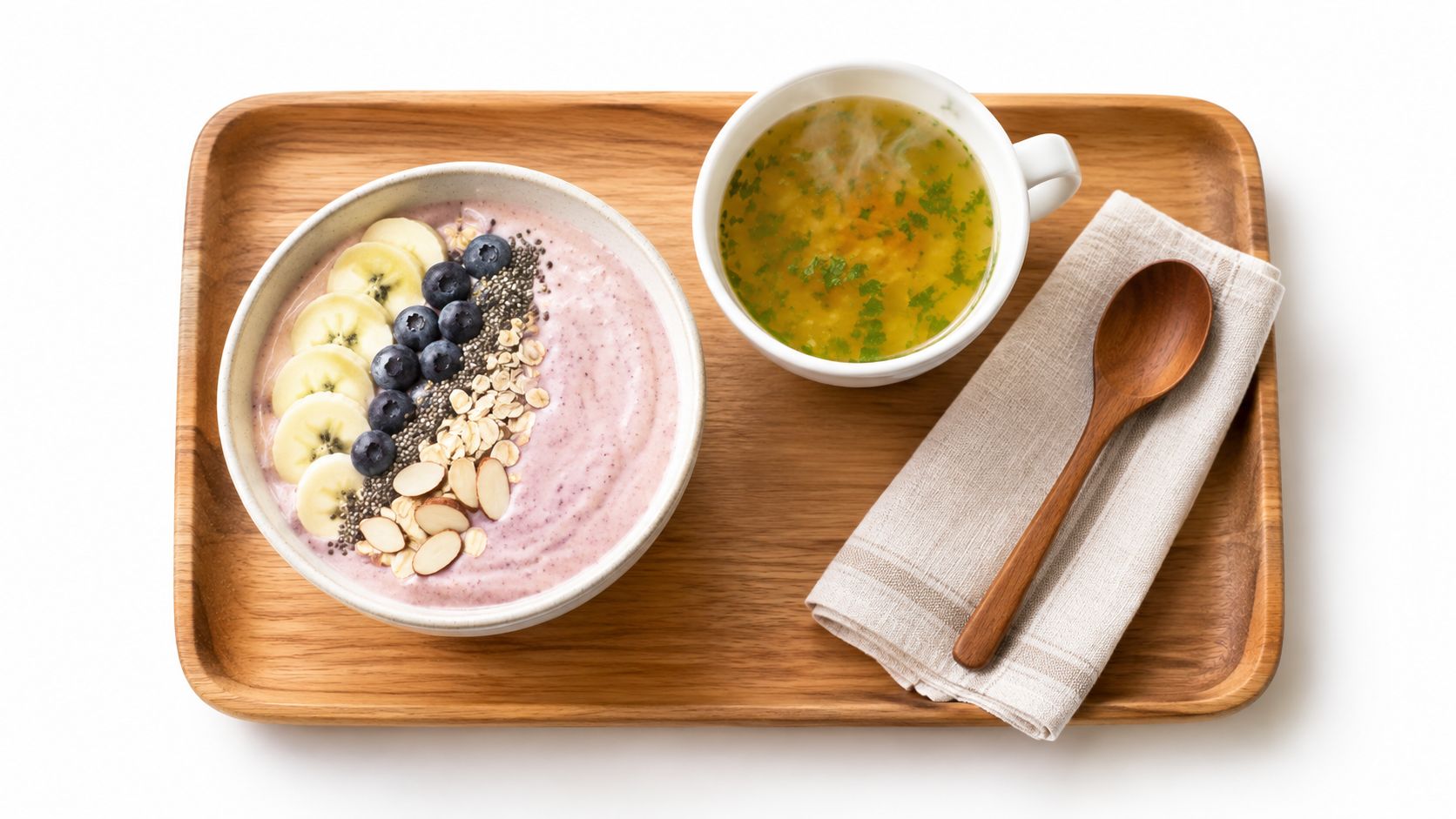
The first evening after extraction is usually when eating feels more awkward than patients expected. Keep the goal simple. Choose foods that slide down easily, do not leave sharp fragments behind, and do not make you chew over a fresh socket. During the first 24–48 hours, soft or semi-solid foods such as Greek yogurt, cottage cheese, scrambled eggs, applesauce, oatmeal, avocado, mashed potatoes, and blended soups are usually the safest place to start. If you make a smoothie, blend it until fully smooth with no berry skins, seed pieces, or fibrous bits left to catch near the site, then eat it with a spoon rather than drink it through a straw.
Texture matters as much as ingredients.
Hard, crunchy, sticky, or very hot foods tend to cause trouble early on. Chips, popcorn, seeds, crusty bread, and similar foods can scrape healing tissue or pack into the socket. Hot drinks need caution too, especially while numbness is still wearing off, because a burn is easy to miss at that stage. Patients looking for meal ideas can find a healthy cooking magazine for soft-food-friendly recipes that are easier to manage during recovery.
Build meals before the appointment
A little planning helps more than patients think. Set up a few ready-to-eat options before the procedure so the first day does not end with grabbing whatever is available. Broth-based soup, soft vegetables, yogurt, oatmeal, and water or an electrolyte drink in a cup are practical choices. Drink from a glass or bottle, not a straw, because suction can disturb the clot that protects the socket through its wisdom tooth removal guidance.
As the week goes on, food can become more substantial, but the pace should follow comfort, not impatience. Many patients start adding softer solids around days 5–7 if chewing feels manageable, though impacted teeth or multiple extractions can slow that timeline. Chew on the opposite side when possible, rinse gently after eating if the office advised it, and back off if a food leaves the area throbbing.
A patient with other scheduled dental treatment should ask whether the diet needs adjusting for that procedure as well.
Call the office if swallowing fluids becomes difficult, food consistently enters the socket, or pain sharply worsens after eating rather than gradually settling.
3. Take Prescribed Medications as Directed to Control Pain and Prevent Infection
The evening after surgery is when medication mistakes happen most often. Patients are tired, the mouth is sore, and it is easy to miss a dose, take a second dose too soon, or reach for something that was not recommended. Follow the written instructions from the treating dentist or oral surgeon exactly. Pain medicine may be prescription-only, over-the-counter, or a combination, depending on the extraction, medical history, allergies, and current medicines.
Antibiotics are not automatic after wisdom tooth removal. They are prescribed for selected cases based on infection risk, what happened during surgery, and the patient's health background. If an antibiotic is prescribed, finish it exactly as directed unless the office tells you to stop. Do not share it, save leftovers, or combine it casually with other medicines. To support gut health during and after antibiotic use, the GutRx gut health guide offers evidence-based recommendations.
Pain usually has a pattern. In the clinical trial report on postoperative morbidity and flap design, patients were followed on postoperative days 1, 3, 5, and 7, with the heaviest symptoms tracked early and then reassessed across the first week. That is why the first couple of days matter so much. Staying on schedule during that window usually works better than waiting until pain is already building.
A simple medication log helps. Write down the time each dose is taken, especially if sedation, poor sleep, or a caregiver is involved. Ask whether the medicine should be taken with food, whether it can be paired with another pain reliever, and whether alcohol, sleep aids, or sedating antihistamines should be avoided.
Some patients need adjusted advice.
That includes anyone taking anticoagulants, anyone who is pregnant, and anyone with kidney disease, stomach ulcers, medication allergies, or a history of side effects from anti-inflammatory drugs. If ibuprofen is not safe for you, do not substitute another option on your own.
Call the office if medication causes rash, swelling, breathing trouble, unusual drowsiness, stomach symptoms that do not settle, uncontrolled pain, or pain that gets worse after it first starts improving.
4. Maintain Proper Oral Hygiene While Protecting Extraction Sites from Disturbance
The socket needs cleanliness and protection at the same time. During the first 24 hours, patients shouldn't rinse, gargle, spit forcefully, or use mouthwash aggressively. These actions can disturb the blood clot that supports socket healing and can contribute to dry socket.
The rest of the mouth can still be brushed carefully with a soft-bristled toothbrush, staying away from the extraction sites. Patients shouldn't probe the area with a finger, cotton swab, toothpick, fingernail, water flosser, or floss pick. A strange sensation near the socket is a reason to ask the dental team, not to investigate physically.
Begin gentle rinsing after the first day
After 24 hours, gentle warm salt-water rinses can help loosen food debris. One NHS aftercare protocol recommends one-half teaspoon of salt in 250 milliliters of water, used three to four times daily, particularly after meals, for approximately 7–10 days in its wisdom-tooth-removal aftercare document.
The rinse shouldn't be swished vigorously. Patients can let the water move gently around the mouth and fall out without forceful spitting. A prescribed mouth rinse should be used only according to the practice's directions. Commercial mouthwash isn't automatically better during early healing and may irritate sensitive tissue.
An adult recovering after a simple tooth extraction may return to normal brushing sooner than someone with a deep impacted lower tooth, sutures, or several surgical sites. Prosth & Co.'s prosthodontist-led team can coordinate oral hygiene advice with future dental implants, crowns, or other restorative treatment.
Call the office if the socket develops increasing foul taste or drainage, bleeding restarts with cleaning, or numbness fails to improve.
5. Rest Adequately and Avoid Strenuous Physical Activity to Support Healing
Recovery needs a quiet start. Patients should plan to rest on the day of extraction and limit exercise, heavy lifting, bending, and physically demanding work during the early period. Guidance commonly restricts strenuous activity for at least 24–48 hours, while some hospital protocols recommend avoiding it for several days as summarized by NHS hospital aftercare information.
A desk-based employee may feel ready for light work around day three, while a person whose job involves lifting, climbing, or outdoor labor may need more time. The procedure's difficulty matters. Surgical removal of an impacted lower wisdom tooth can create more jaw stiffness and functional disruption than a simple erupted-tooth extraction.
Sleep with the head raised comfortably if that reduces throbbing or swelling. Patients who received sedation need a responsible ride home and shouldn't drive, operate machinery, or make important decisions until the dental team says the effects have worn off.
Return to movement gradually
Light walking can be reasonable when the patient feels steady and bleeding has stopped. Intense workouts, heavy lifting, and activities that produce throbbing should wait until the treating clinician's timeline allows them. A patient preparing for dental implants or full mouth rehabilitation should coordinate the recovery period with any upcoming procedure rather than compressing the schedule.
A practical example is an athletic patient who replaces workouts with gentle walking while the mouth settles. The trade-off is temporary inconvenience, but rushing activity can restart bleeding or increase discomfort.
Call the office if activity triggers persistent bleeding, a sudden increase in throbbing, or swelling that had begun to improve.
6. Manage Dry Socket Risk by Protecting Blood Clots and Following Postoperative Instructions
The blood clot is the socket's first protective covering. If it breaks down or leaves the socket too early, the exposed area can produce significant throbbing pain known as dry socket. The pain often appears several days after the extraction, especially when symptoms had started to improve.
Patients lower the risk by avoiding smoking, vaping, alcohol, straws, forceful spitting, and vigorous rinsing during early healing. One hospital protocol recommends avoiding smoking and vaping for at least 72 hours, while longer avoidance gives the socket more protection in its wisdom-tooth-removal aftercare instructions.
A clot is easy to disturb before the socket feels stable. Drinking from a cup, resting, and letting a gentle rinse fall from the mouth are safer than creating suction or pressure.
Dry socket isn't the same as ordinary soreness. Normal discomfort should gradually become easier, although pain, jaw stiffness, bruising, and chewing difficulty can continue during the first 1–2 weeks, particularly after surgical or impacted-tooth removal according to NHS clinical guidance. Renewed, severe pain after initial improvement deserves attention rather than another round of home remedies.
Biologic adjuncts such as injectable platelet-rich fibrin may reduce early pain or swelling in selected cases, but evidence remains limited and protocols vary. They shouldn't replace clot protection, prescribed medication, or follow-up. Patients considering an adjunct should discuss whether complex surgery or planned socket preservation makes it clinically relevant.
Call the office if severe throbbing pain develops around days 3–10, especially with a bad taste or increasing discomfort.
7. Attend Follow-Up Appointments and Report Complications Immediately for Optimal Outcomes
A follow-up visit gives the dental team a chance to check whether pain and swelling are following a reassuring direction. Stitches, when used, commonly dissolve or are removed within approximately 7–10 days, and jaw stiffness generally improves over several days to 7–10 days as described in NHS hospital patient information.
Patients should keep the appointment even when healing seems easy. The visit can clarify when to resume normal chewing, exercise, brushing near the socket, and any planned restorative treatment. At Prosth & Co., that discussion may also connect an extraction with future dental implants, crowns, dentures, or full mouth rehabilitation.
The practice's wisdom tooth extraction service in New York is part of a broader multi-specialty approach. Oral surgery, prosthodontics, implant care, endodontics, periodontics, orthodontics, pediatric dentistry, and cosmetic dentistry can be coordinated when a patient's dental needs extend beyond one tooth.
Know when not to wait
A recovery journal can help patients describe the direction of pain, swelling, bleeding, temperature, medication use, and numbness. A photograph may help the office understand a visible change, but it doesn't replace an examination.
Prompt contact is appropriate for persistent or uncontrolled bleeding, fever, escalating facial swelling, breathing or swallowing difficulty, worsening pain after initial improvement, a bad taste with increasing discomfort, or numbness that doesn't improve. Such symptoms shouldn't be managed solely with online advice.
Call the office immediately if bleeding won't stop with sustained gauze pressure, fever appears, swelling escalates, or numbness remains unchanged.
7-Point Wisdom Tooth Recovery Comparison
| Item | Implementation complexity | Resource requirements | Expected outcomes | Ideal use cases | Key advantages |
|---|---|---|---|---|---|
| Manage swelling and bruising with ice therapy (Hours 0–48) | Low, simple application schedule | Minimal, ice/gel pack, cloth, timer | Rapid reduction in swelling and bruising; short-term pain relief | First 24–48 hours post-extraction to control acute inflammation | Immediate, non‑pharmaceutical relief; low cost; easy to repeat |
| Follow dietary restrictions to support healing (Days 1–7) | Moderate, requires meal planning and adherence | Soft foods, blender/puree tools, hydration (no straws) | Protects clots, supports tissue repair, lowers complication risk | Early recovery when chewing is painful or risky (week 1) | Nutritional support with reduced risk of dry socket or disruption |
| Take prescribed medications as directed (Days 0–7+) | Low–medium, adherence to schedule and monitoring | Prescribed antibiotics/analgesics, reminders, possible prescriptions cost | Effective pain control and infection prevention; better sleep | Patients with moderate–severe pain risk or infection risk | Targeted infection control and reliable pain management |
| Maintain proper oral hygiene while protecting sites (Day 1 onward) | Medium, careful technique and timing | Soft toothbrush, salt, clean water; minimal supplies | Prevents infection, preserves clots, promotes gradual healing | From day 2 onward to prevent infection and support healing | Simple home measures that significantly reduce infection risk |
| Rest adequately and avoid strenuous activity (Days 1–7) | Low, requires scheduling rest and activity limits | Time off work, help with transportation or chores if needed | Lower bleeding risk, protected clots, faster overall recovery | First 48–72 hours and for patients with physical jobs or heavy exercise | Low-cost, high-impact way to reduce complications |
| Manage dry socket risk by protecting blood clots (Days 1–7) | Medium, strict behavioral adherence (multiple precautions) | Behavioral changes (no smoking, no straws), gentle care supplies | Significantly reduced chance of dry socket and severe pain | High-risk patients (smokers, certain meds) and days 3–4 prone to dry socket | Prevents a common, painful complication with simple precautions |
| Attend follow-up appointments and report complications (7–10 days) | Low, schedule and communicate with provider | Time, transportation, possible follow-up visit costs | Early detection and treatment of complications; stitch removal | Routine post-op monitoring and any concerning symptoms | Professional oversight ensures timely intervention and proper healing |
Plan Ahead So Recovery Feels Manageable
The easiest recovery plan starts before the appointment. Patients should stock soft foods, prepare water and a cup, place cold packs and clean cloths within reach, set up a comfortable resting space, arrange a ride home if sedation is involved, and save the Prosth & Co. phone number. A medication list, a written schedule, and a quiet first day can prevent small decisions from becoming stressful while the mouth is numb or sore.
The first day is mainly about pressure on gauze as directed, rest, clot protection, cold therapy, and soft food. Days 2–3 may bring the most swelling and jaw stiffness, so patients shouldn't assume that a temporary increase means treatment failed. By days 4–7, discomfort should generally trend downward, although surgical cases can remain tender and chewing may still be limited. Normal foods, exercise, brushing near the socket, and social activities should return gradually rather than according to a rigid universal deadline.
A simple extraction may settle quickly, while an impacted lower wisdom tooth, several surgical sites, sutures, or sedation can change the schedule. Prosth & Co. on Manhattan's Upper East Side plans care around those differences and can coordinate recovery with dental implants, restorative dentistry, cosmetic dentistry, or other treatment. Patients searching for a dentist near me, a dentist in Manhattan, a dentist in New York, an emergency dentist, an endodontist, or a prosthodontist can receive a more connected evaluation under one roof.
Patients should contact the Upper East Side office at 47 E 77th St #207 during weekday hours if warning signs appear. To plan an extraction or book a consultation, visit prosthandconyc.com or call the practice to schedule an appointment.
Prosth & Co. provides wisdom tooth extraction, urgent dental care, prosthodontic planning, dental implants, restorative dentistry, and coordinated specialty treatment on Manhattan's Upper East Side. Patients can visit Prosth & Co. to arrange an evaluation, review recovery concerns, or plan the next stage of care after extraction.

Founder and lead prosthodontist of Prosth & Co. on Manhattan's Upper East Side. DDS, Columbia University; Prosthodontics certificate and MMSc in Oral Biology, Harvard School of Dental Medicine; Implantology fellowship, Columbia University.
Meet Victoria →