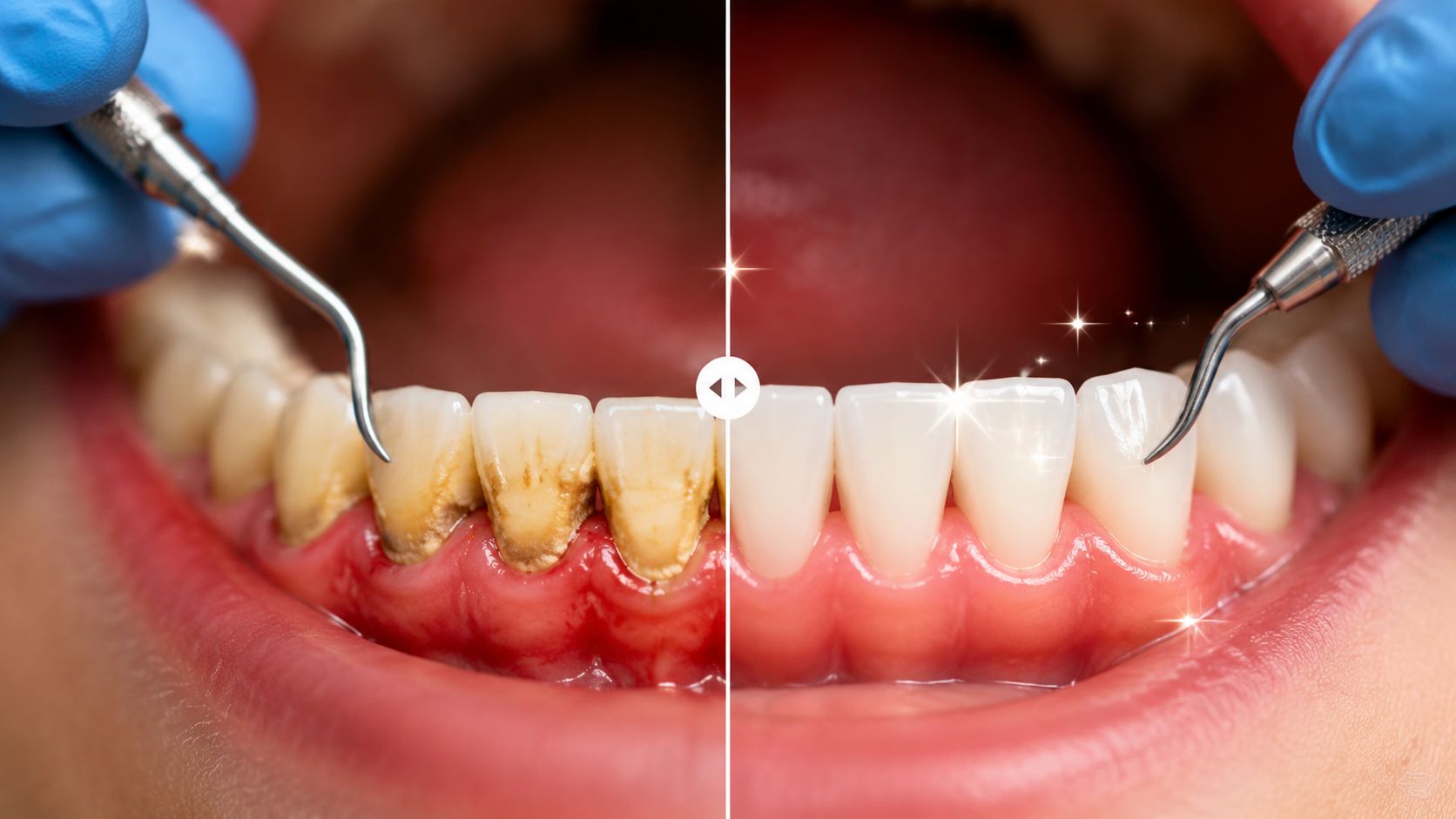
Bleeding while brushing can feel minor at first. Then the gums start looking puffy, flossing becomes unpleasant, or a past cleaning is followed by the words many patients don't expect to hear: they need more than a routine visit. That moment often leads to a search for deep clean before and after photos, hoping for a simple visual answer.
Content found online is incomplete. In dentistry, the most important “before and after” change usually isn't a dramatic cosmetic reveal. It's a shift from inflamed, infected gum tissue toward a healthier foundation that can better support the teeth over time. That's why the first questions should focus on what the gums are doing, what the patient may feel during healing, and what those changes mean.
For adults searching for a dentist near me or a dentist in NYC who will explain things clearly, this topic matters. A dental deep cleaning is treatment for gum disease, not just a more aggressive polishing appointment. Patients on Manhattan's Upper East Side often feel more at ease once they understand why it's recommended, what happens during the visits, and why the “after” may include short-term tenderness before things feel better.
Table of Contents
- Your Trusted Dentist for Deep Cleaning on the Upper East Side
- What Is a Dental Deep Cleaning
- A Realistic Look at Deep Clean Before and After Results
- Your Deep Cleaning Journey at Our NYC Dental Practice
- Aftercare Instructions and How to Maintain Your Results
- Schedule Your Gum Health Consultation in Manhattan
Your Trusted Dentist for Deep Cleaning on the Upper East Side
A common Upper East Side patient story starts the same way. Brushing causes pink in the sink. The gums feel tender around one area. Sometimes there's a comment from a previous dental exam that “the gums need more attention,” but life in Manhattan gets busy and the visit is pushed off.
By the time that patient starts looking for a dentist in New York, NY, the concern usually isn't vanity. It's uncertainty. Is this just plaque? Is it a standard cleaning? Is something wrong if the teeth don't hurt but the gums bleed?
At 47 E 77th St, Suite 207, Dr. Victoria Park and the team at the Upper East Side office approach that moment calmly. Patients aren't rushed through unfamiliar terms. They're shown what's happening, why the recommendation matters, and what each next step is meant to accomplish.
Why reassurance matters early
Patients often assume that needing a deep cleaning means they've failed at home care. That isn't a helpful way to look at it. Gum problems can develop subtly, especially below the gumline where a toothbrush can't fully reach.
Many patients feel better once they learn that a deep cleaning is a treatment plan for active gum inflammation, not a punishment.
This part of care also works better when visits are easy to keep. For patients who like practical appointment habits, Cool Blue VA's confirmation strategies offer useful ideas for keeping health visits on schedule without last-minute confusion.
A local dental home for clear answers
People searching for a cosmetic dentist near me, cleaning and exams, or even emergency dentist care often need more than one service over time. A healthy gum foundation supports everything else, from preventive care to restorative dentistry and future smile work.
That's why a deep cleaning conversation should feel grounded and personal. The patient should leave understanding what the gums are doing today, what the teeth need next, and how early treatment can help protect long-term oral health.
What Is a Dental Deep Cleaning
A patient often comes in expecting a standard cleaning and hears a different recommendation after the gum exam. That can feel unsettling at first, especially if the teeth themselves do not seem to look very different in the mirror. A dental deep cleaning, also called scaling and root planing, is recommended when the infection and buildup are sitting below the gumline, where a routine cleaning cannot fully reach.
The purpose is medical. The dentist or hygienist removes plaque, tartar, and bacteria from the root surfaces under the gums, then smooths those areas so the tissue has a better chance to settle and reattach. You can picture it as cleaning the foundation around a fence post, not just polishing the visible top. If the problem stays trapped below the surface, the gums remain inflamed even if the teeth look fairly clean from the outside.
Patients are often told they need this treatment after the exam shows signs such as bleeding gums, swollen tissue, deeper gum pockets, gum tenderness, or areas where the attachment around the teeth has weakened. In some cases, X-rays also show changes in the supporting bone. Those findings matter because gum disease affects the structures that hold teeth in place over time.
Why a regular cleaning isn't always enough
A routine cleaning is designed for maintenance. It removes the usual buildup from tooth surfaces above the gumline and helps keep healthy gums stable.
A deep cleaning treats active disease below the gumline.
That difference is where confusion often starts. The words sound similar, so many patients assume the deeper version is merely a more intense polishing. It is a different type of care with a different goal. A regular cleaning helps prevent problems. A deep cleaning addresses inflammation and bacterial buildup that are already affecting the gum attachment around the teeth.
Practical rule: If the infection is under the gums, the treatment also has to reach under the gums.
Regular Cleaning vs. Dental Deep Cleaning
| Aspect | Regular Cleaning (Prophylaxis) | Deep Cleaning (Scaling & Root Planing) |
|---|---|---|
| Purpose | Preventive maintenance for generally healthy gums | Treatment for gum disease and buildup below the gumline |
| Where it focuses | Mostly visible tooth surfaces and routine plaque removal | Above and below the gumline, including root surfaces |
| Who it's for | Patients coming in for standard cleanings and exams | Patients with signs such as bleeding gums, deep pockets, or bone changes |
| What patients may hear at the visit | “Everything looks stable” or “time for a routine cleaning” | “The gums are inflamed” or “there are areas that need deeper treatment” |
| Main goal afterward | Keep a healthy mouth on track | Reduce bacterial buildup under the gums and support healing |
Many people also hear the phrase deep clean before and after and expect a cosmetic reveal. Gum treatment does not usually work that way. The early improvement is often something you feel before it is something you admire in a photo. Less bleeding, less puffiness, and tissue that looks calmer are stronger signs of progress than a dramatic visual change.
It also helps to know that the “after” period can include a few temporary changes. As swollen gums begin to settle, the teeth may look a little longer, and some patients notice sensitivity to cold for a short time. That does not mean the treatment caused harm. It usually means the inflamed tissue is shrinking back to a healthier contour, which can make the true shape of the teeth and gumline more visible.
For patients planning crowns, implants, or long-term maintenance, this step creates a healthier base. Healthy dentistry lasts longer on healthy gums.
A Realistic Look at Deep Clean Before and After Results
Search results often make “before and after” seem purely visual. Gum treatment doesn't work that way. The healthiest result may look subtler than expected, especially in the first days after treatment.

What the before often looks like clinically
Before treatment, the gums may appear red, swollen, and irritated. They may bleed during brushing, flossing, or an exam. The dental team may also identify deeper spaces between the teeth and gums, which suggest that inflammation has been active below the surface.
Gum disease is common, not rare. The U.S. National Institute of Dental and Craniofacial Research reports that periodontal disease affects about 47.2% of adults age 30 and older in its periodontal disease data summary. That helps explain why so many adults are surprised to learn they need more than a routine cleaning.
What a healthy after really means
After treatment, the main signs of progress are usually medical. The gums may become firmer. They may look calmer and less puffy. Bleeding often becomes less frequent as the tissue heals.
The part that confuses many patients is that the teeth can sometimes look a little longer afterward. That doesn't automatically mean the cleaning harmed the gums. Swollen tissue can hide the true contour of the tooth. When inflammation settles down, the gumline may look lower because the puffiness is gone.
Another normal short-term change is tenderness. According to the earlier clinical guidance on scaling and root planing, mild tenderness, swelling, or sensitivity can last a few days afterward. That's especially understandable around cold foods, brushing, or exposed root surfaces.
A good “after” result is not always a glamorous photo. It's often quieter than that. Less bleeding, less inflammation, and healthier tissue are the real markers.
Patients should also know what would feel less typical. Pain that seems severe, symptoms that don't gradually improve, or concern that something still feels rough or inflamed should prompt a follow-up call. Honest expectations build trust. They also help patients avoid mistaking normal healing for damage.
Your Deep Cleaning Journey at Our NYC Dental Practice
A common first visit starts the same way. A patient sits down, says their gums bleed when they brush, and asks whether a deep cleaning is just a stronger version of a routine cleaning. That question matters, because the process is different, the recovery is different, and the goal is to calm infection under the gumline rather than polish visible tooth surfaces.
The first visit and diagnosis
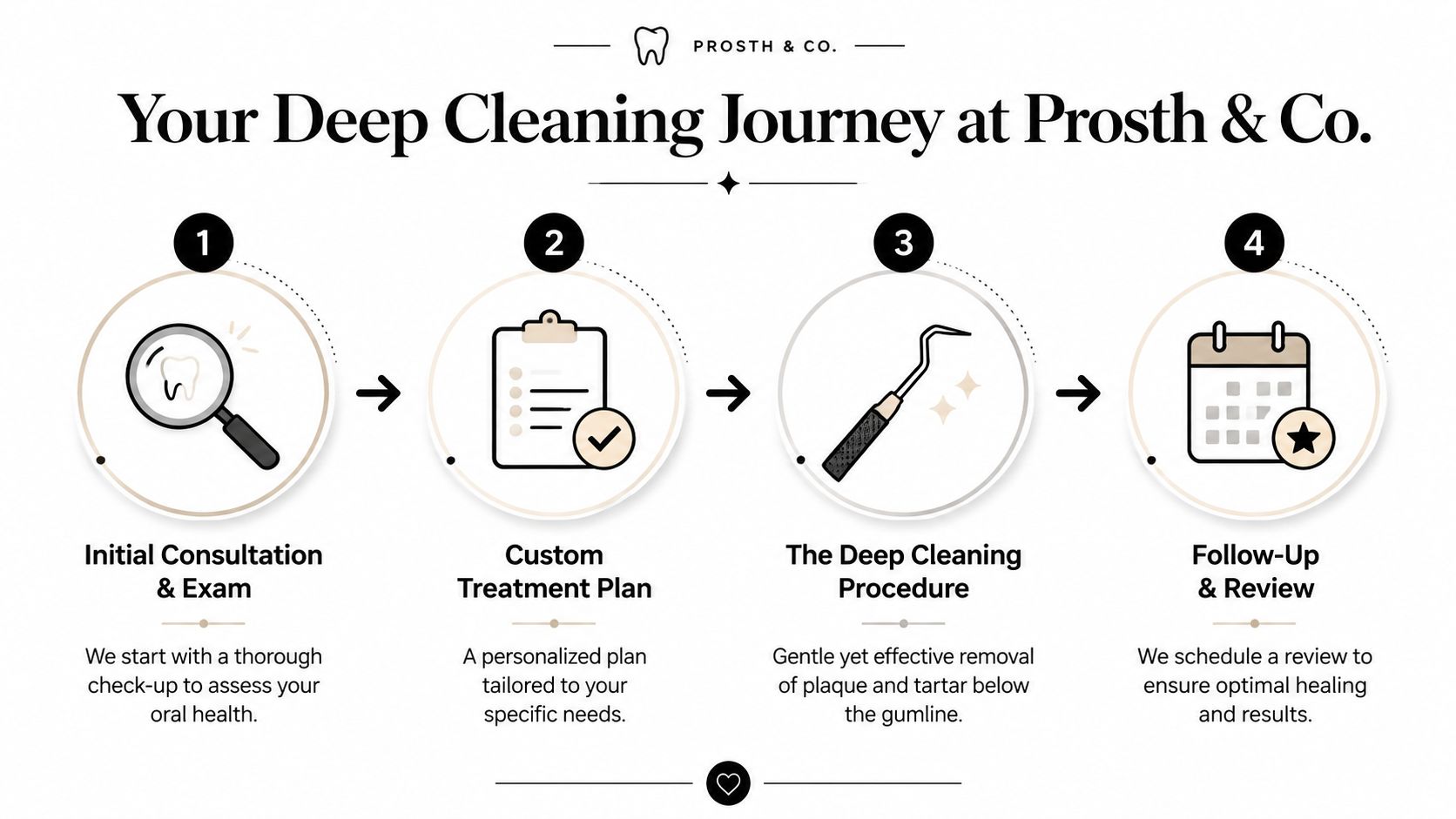
The first appointment usually begins with listening and examination. We want to know what you have noticed at home, such as bleeding, tenderness, bad breath, or areas that trap food, and then compare that with what we see clinically. Digital x-rays and intraoral photos often help because gum disease can be easier to understand when the condition is visible instead of abstract.
A new patient exam looks at the gums, teeth, bone support, and existing dental work together. If the concern is mainly plaque, tartar, and inflamed gum tissue, the discussion stays centered on periodontal treatment. If we also see worn fillings, missing teeth, or bite stress, those findings are documented and addressed separately at the right time.
Patients who want to review the service in more detail can visit our page on deep cleaning care in New York.
A short visual overview can also make the sequence easier to follow:
How the treatment is usually scheduled
Many deep cleanings are divided into more than one appointment. That approach gives the clinician enough time to clean carefully below the gumline and gives the patient a more comfortable experience, especially when local anesthetic is used.
Patients are often relieved by how orderly the visit feels. It works a bit like treating one side of a sore joint before asking the whole body to compensate. By focusing on part of the mouth at a time, we can numb the area well, clean thoroughly, and let you recover in smaller steps instead of all at once.
Here is the sequence patients usually notice during treatment:
- Before cleaning starts: the team reviews the findings, points out the areas of concern, and explains what sensations are normal.
- During the procedure: the area is numbed, then hardened buildup and bacterial deposits are removed from above and below the gumline, and the root surfaces are smoothed.
- Right after the visit: the mouth may feel strange for a few hours from the anesthetic, and the gums may feel tender or more temperature-sensitive once the numbness wears off.
That last part is where expectations matter. Some patients look in the mirror later and focus on the gums appearing less swollen or the teeth looking slightly longer. That change can be part of healing as inflamed tissue settles. The main goal is a healthier environment for the gums to reattach and stabilize over time.
For adults looking for a dentist in Manhattan, knowing the treatment is paced for comfort often makes it easier to begin care before bleeding and inflammation become more difficult to control.
Aftercare Instructions and How to Maintain Your Results
Healing after a deep cleaning is usually straightforward, but patients do better when they know what to expect and what to do at home. The mouth may feel tender at first. The gums may be sensitive around brushing or cool temperatures. That doesn't mean the treatment failed. It often means the tissue is recovering.
The first few days after treatment
A helpful way to think about aftercare is to remember that good cleaning follows a sequence. In broader hygiene guidance, surfaces are cleaned first, then rinsed, then disinfected, with drying and inspection afterward because the order affects the final result. High Speed Training's explanation of cleaning stages highlights that removing debris first improves what happens next. In dentistry, the same logic applies. Once the deeper buildup is removed, the mouth needs a calm healing environment to let the gums recover.
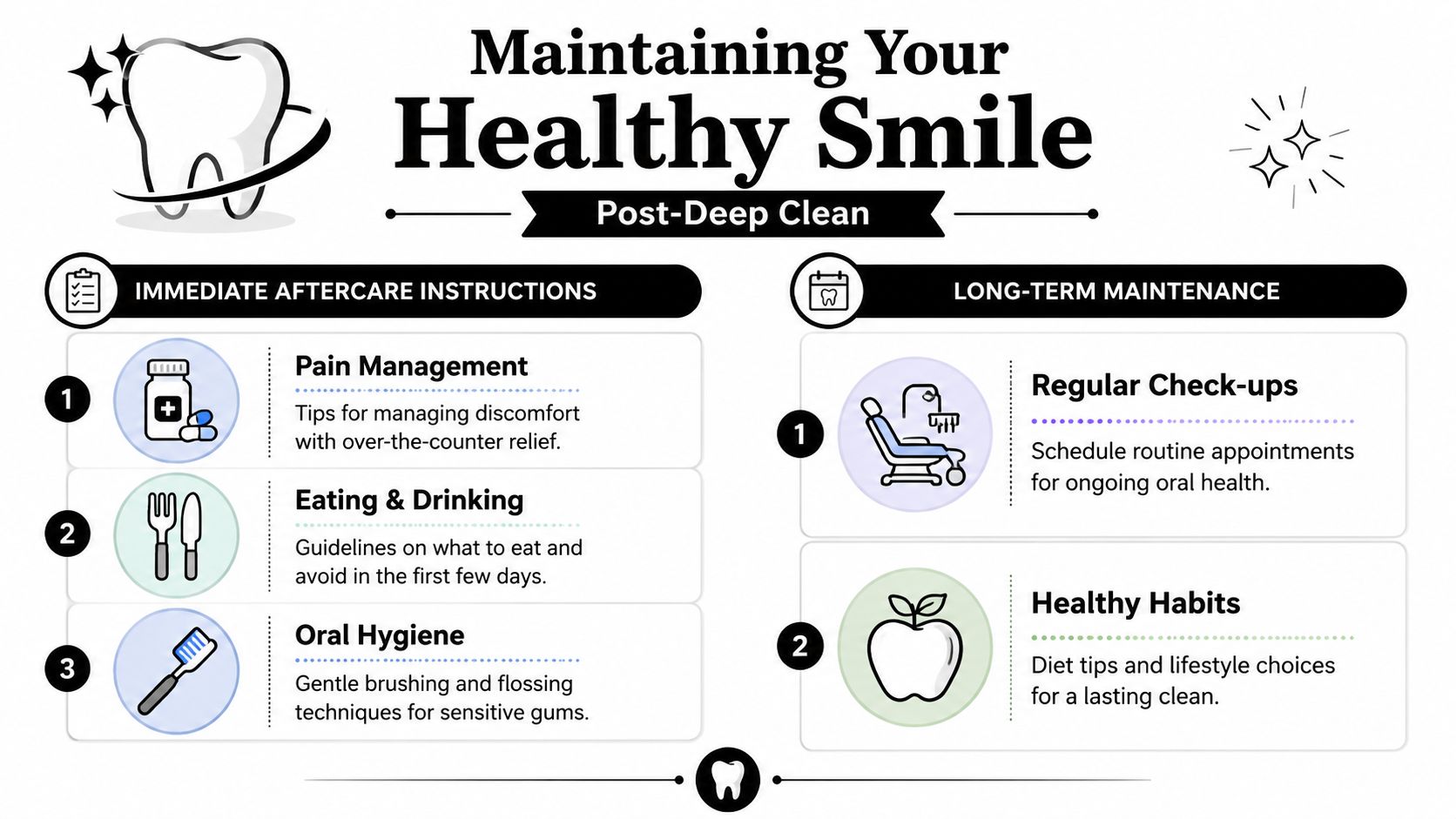
Patients are often advised to keep the first days simple:
- Choose gentler foods: soft, easy-to-chew meals are often more comfortable while the gums are tender.
- Brush with care: good hygiene still matters, but the touch should be gentle around sore areas.
- Expect some sensitivity: cold foods or exposed root surfaces may feel sharper for a short period.
- Call if something feels off: severe pain, heavy bleeding, or symptoms that don't start settling down deserve attention.
Healing tissue often prefers consistency over intensity. Gentle cleaning done well is better than aggressive brushing.
Protecting the result over time
A deep cleaning is a reset, not a permanent shield. Long-term success depends on home care, regular maintenance, and follow-up visits that check whether the gums are staying healthy.
Post-treatment review also matters. In a different context, Geotab's discussion of validation after cleaning makes the useful point that cleaning should be followed by verification rather than a quick visual assumption. The same principle applies here. A patient may feel better, but the dental team still needs to confirm that the tissue looks clean, dry, stable, and free of missed problem spots.
For patients who want to better understand one common source of buildup, the practice also offers guidance on plaque on bottom teeth and what contributes to it.
Long-term maintenance usually includes a few basics:
- Consistent brushing and flossing: daily disruption of plaque helps prevent the same cycle from rebuilding.
- Professional cleanings and exams: regular visits catch changes before they become more advanced.
- Attention to the whole mouth: if a patient also needs restorative dentistry, cosmetic dentistry, or replacement for missing teeth, stable gums make those services more predictable.
Schedule Your Gum Health Consultation in Manhattan
A deep cleaning is about protecting the support system around the teeth. When gum disease is left alone, the problem doesn't stay cosmetic. It affects comfort, stability, and the long-term outlook for the entire mouth.
For patients in Manhattan who have noticed bleeding gums, tenderness, or buildup that seems to keep returning, a consultation can bring clarity. The office on the Upper East Side serves adults and families looking for preventive dental care, restorative dentistry, cosmetic care, and guidance that doesn't feel rushed or confusing.
Some patients also feel more prepared when they organize questions before the visit. A simple guide on how to prepare for a doctor appointment can help them gather concerns, symptoms, and treatment questions in advance.
The next step can be uncomplicated. Patients looking for a dentist near me, dentist in NYC, or help with gum treatment on the Upper East Side can schedule a consultation at 47 E 77th St, Suite 207, New York, NY 10075 and get a clear plan for what the gums need now and how to keep them healthy going forward.
Prosth & Co. offers consultation-based dental care for patients on Manhattan's Upper East Side who want clear answers about bleeding gums, deep cleaning, restorative dentistry, cosmetic concerns, dental implants, tooth extraction needs, or urgent dental symptoms. Scheduling an appointment is a practical next step for anyone ready to understand the deep clean before and after process and move toward a healthier, more comfortable smile.
Related topic: Learn more about Proof And Case Evidence.

Founder and lead prosthodontist of Prosth & Co. on Manhattan's Upper East Side. DDS, Columbia University; Prosthodontics certificate and MMSc in Oral Biology, Harvard School of Dental Medicine; Implantology fellowship, Columbia University.
Meet Victoria →